— Mystic Villages · Saal Valley
Where streams, stories
and souls meet.
A spiritual village cluster of 8 to 10 villages in the Sal Valley — a North India gurukul region, where Pangwal, Gaddi and Gujjar communities coexist, and tourism is being developed hand in hand with training, livelihoods and heritage.
— Why Visit
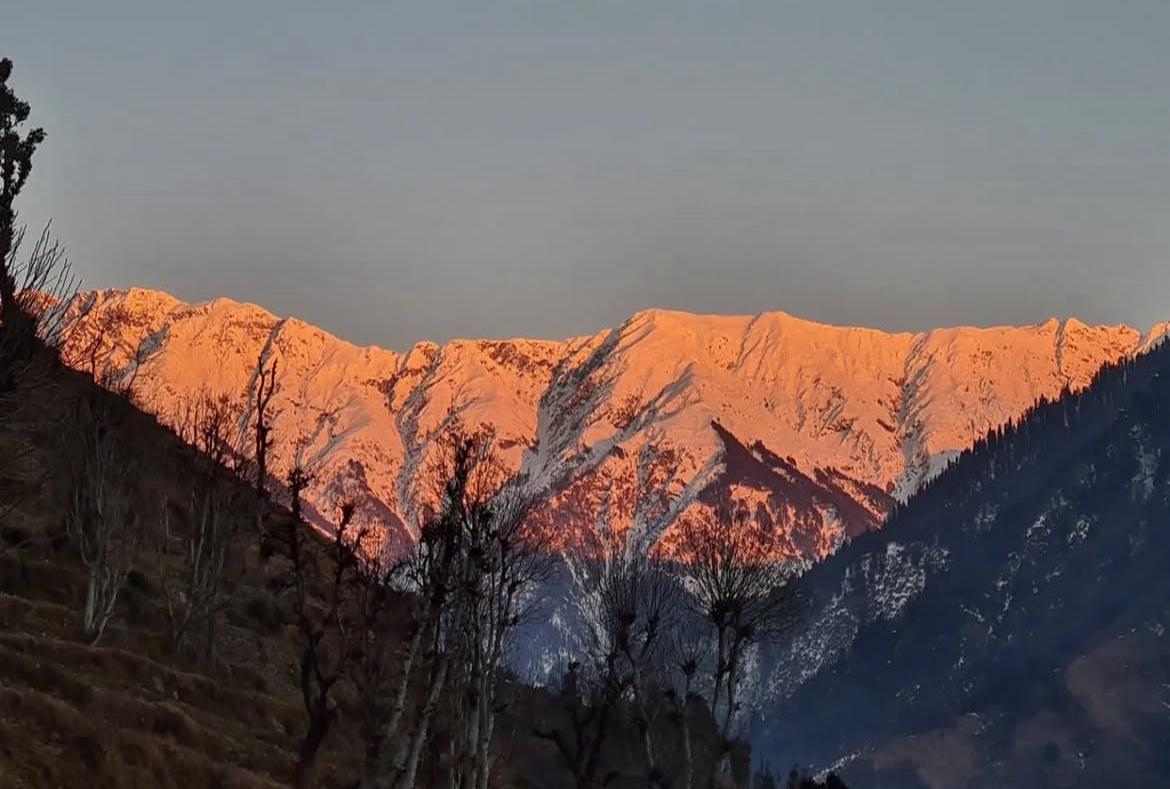
Saal Valley offers an immersive experience of the living Himalayas — framed as a spiritual village cluster where visitors can explore traditional watermills, walk ancient trails, learn natural farming, and engage with local crafts, food traditions and cultural practices.
The valley is equally suited for seekers of nature, culture, learning and reflection.
— The Gaddi Way of Life
Shepherds, elders
and the long migration.
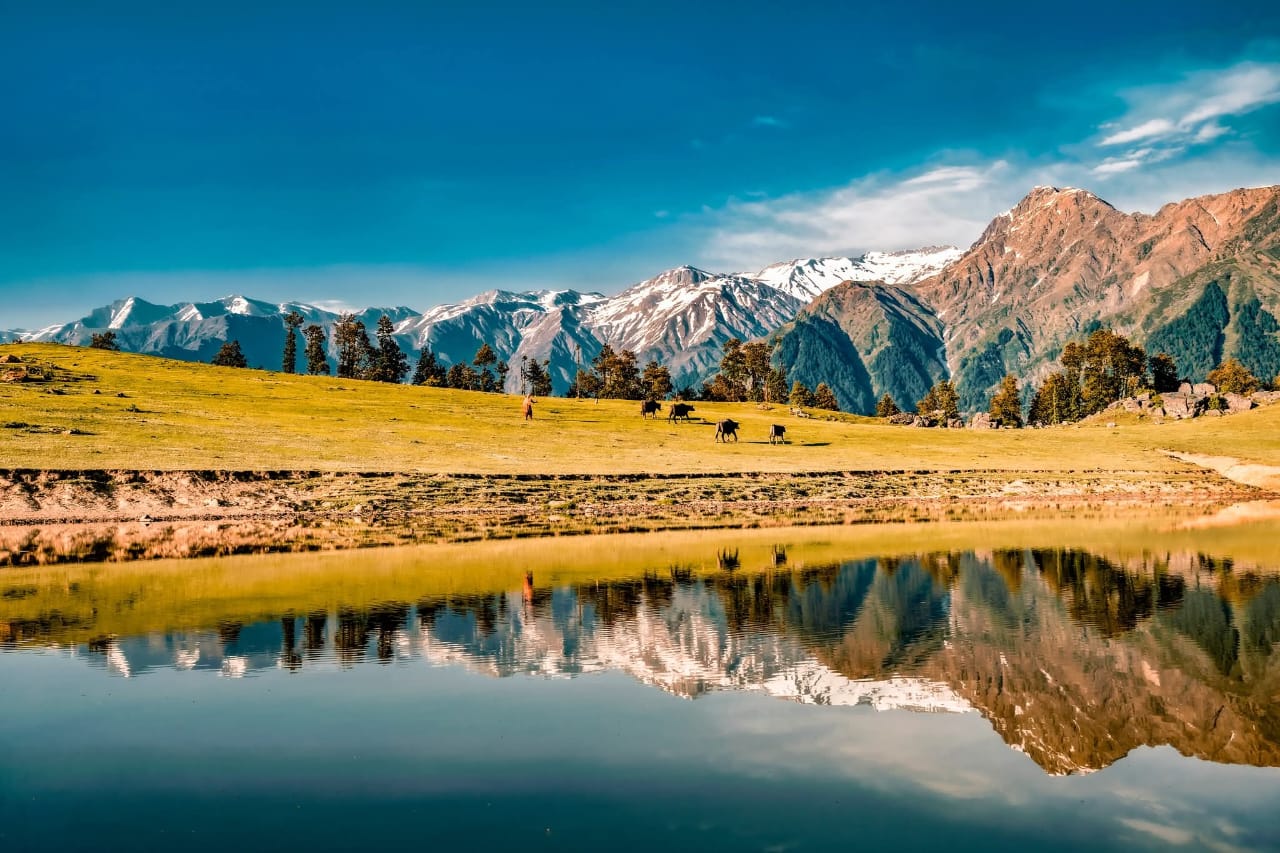
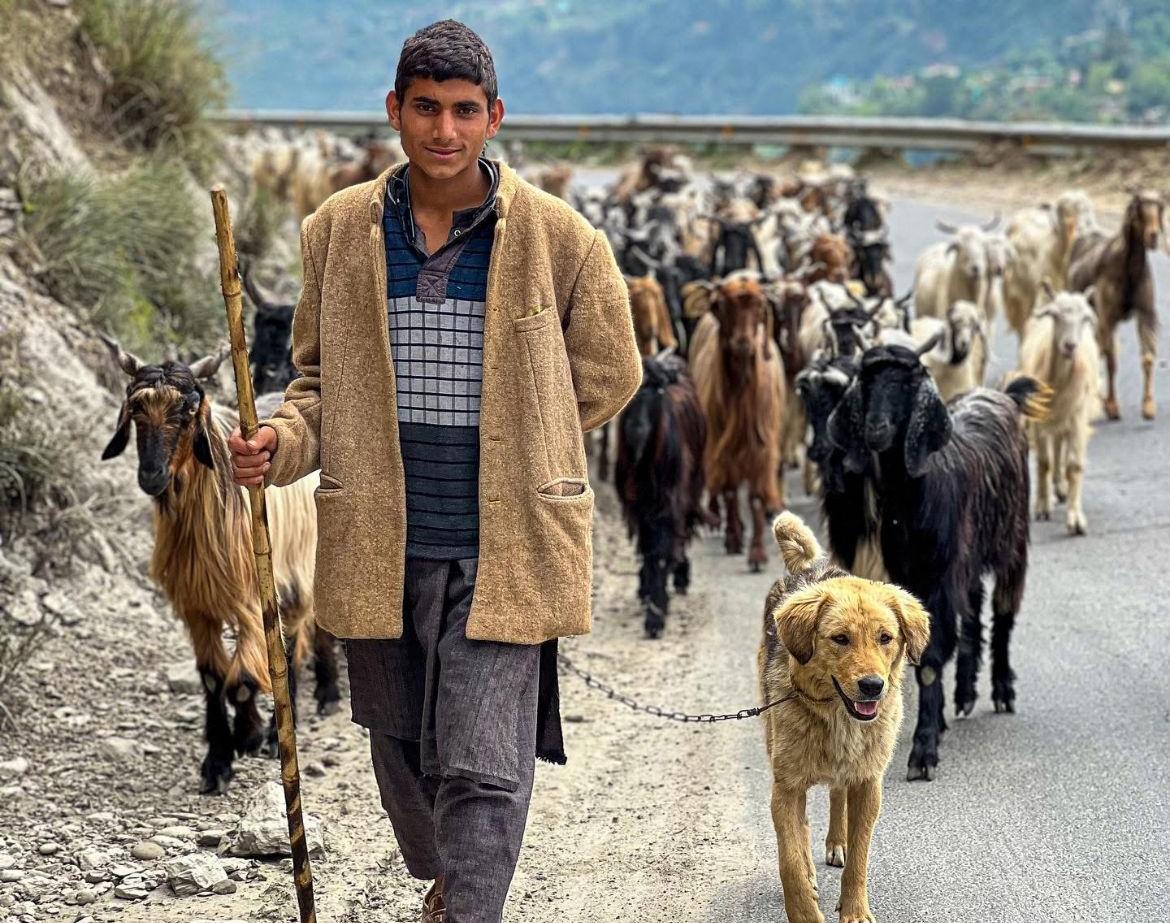
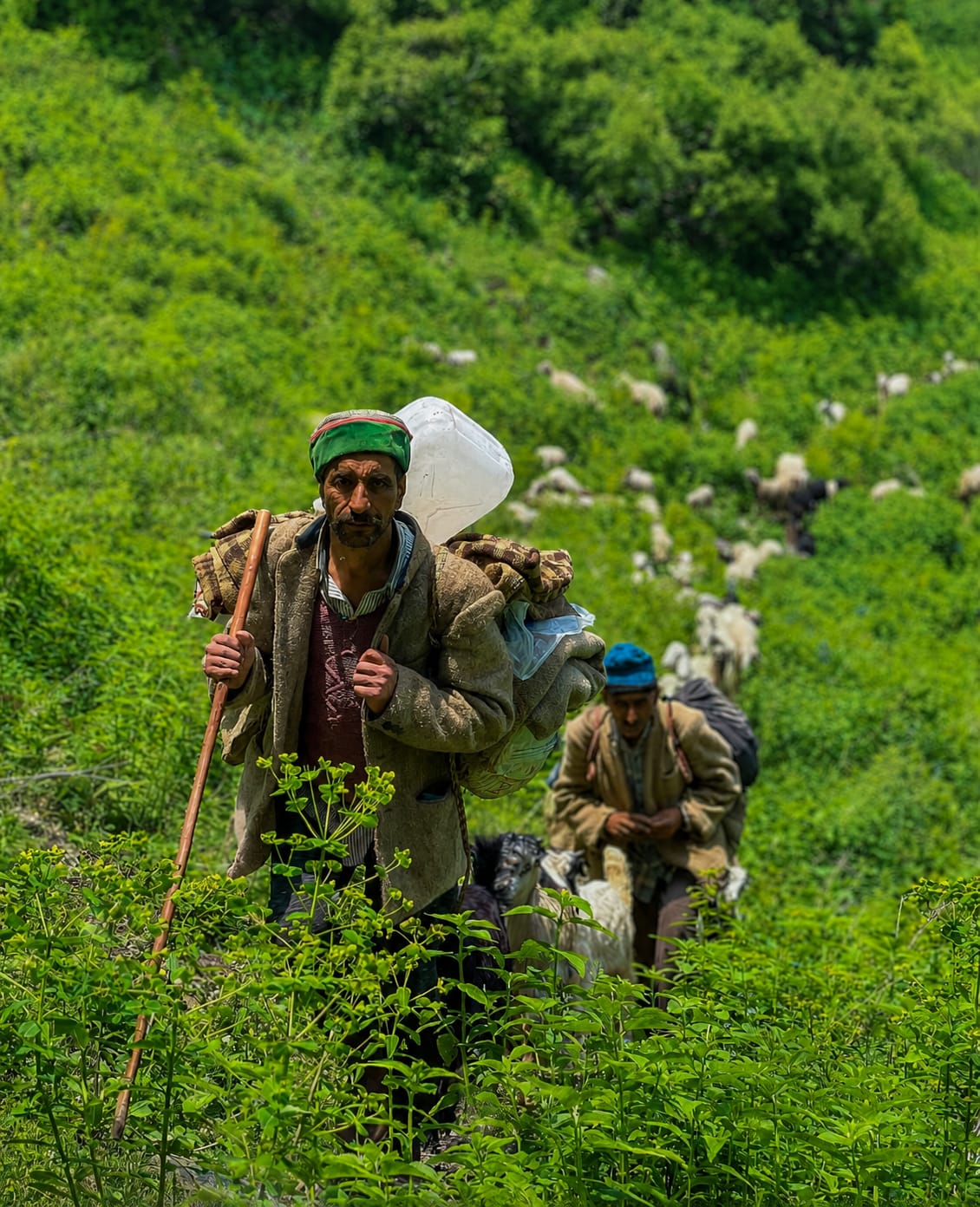
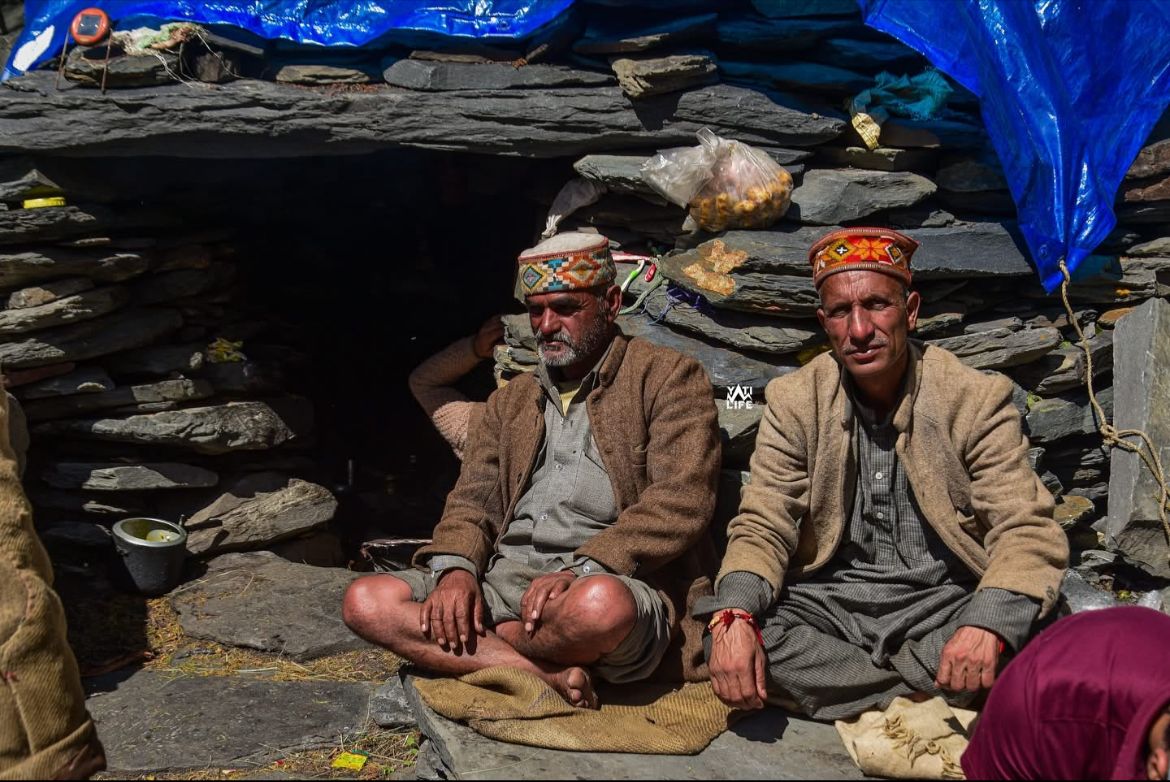
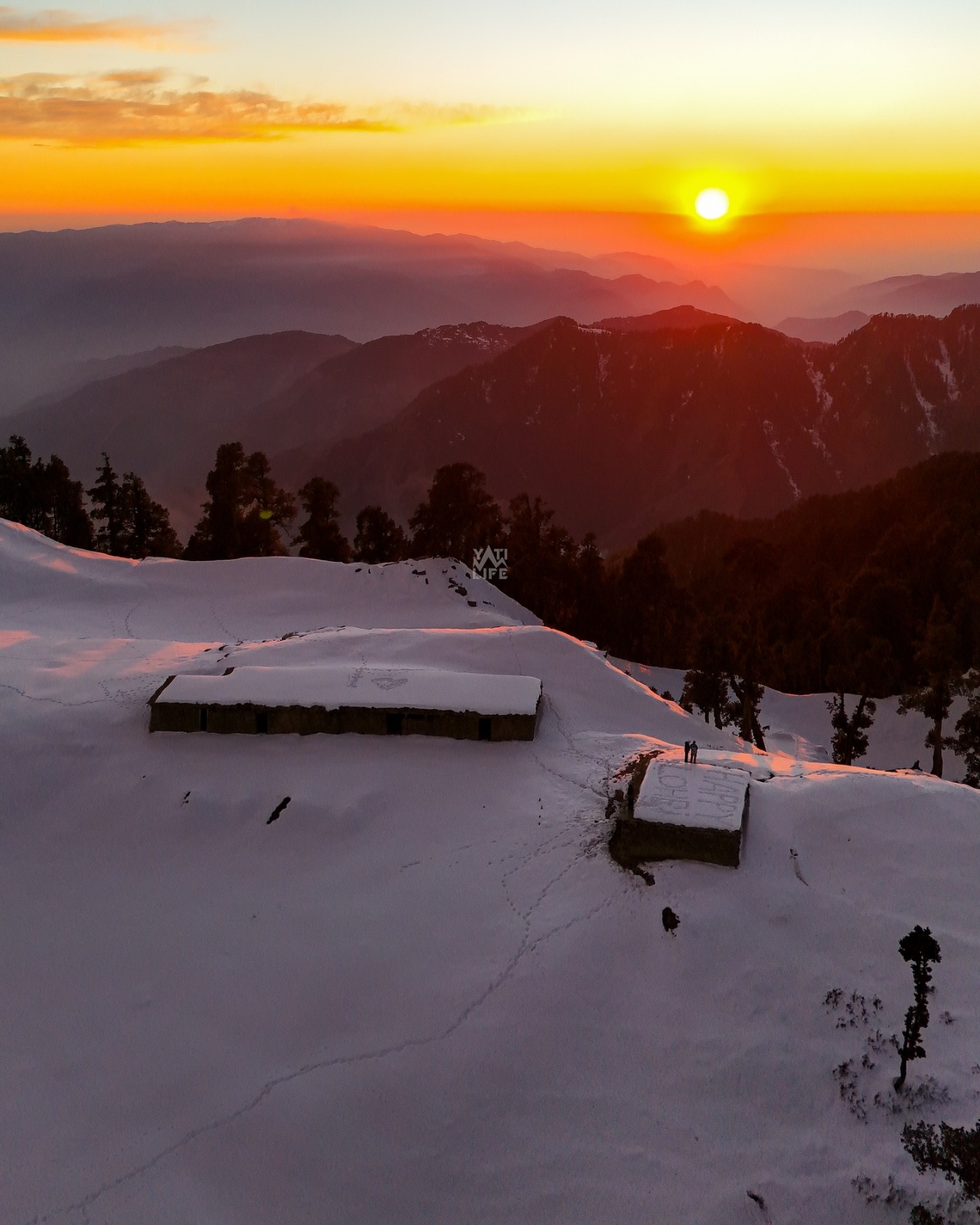
Generations of Gaddi shepherds still walk these slopes with their flocks each summer — climbing from valley meadows up to high-altitude pastures, sheltering in stone huts built from local slate.
Sitting with the elders outside one of these huts, sharing tea and stories, is one of the most quietly moving experiences the valley offers.
— Postcards · Saal Valley
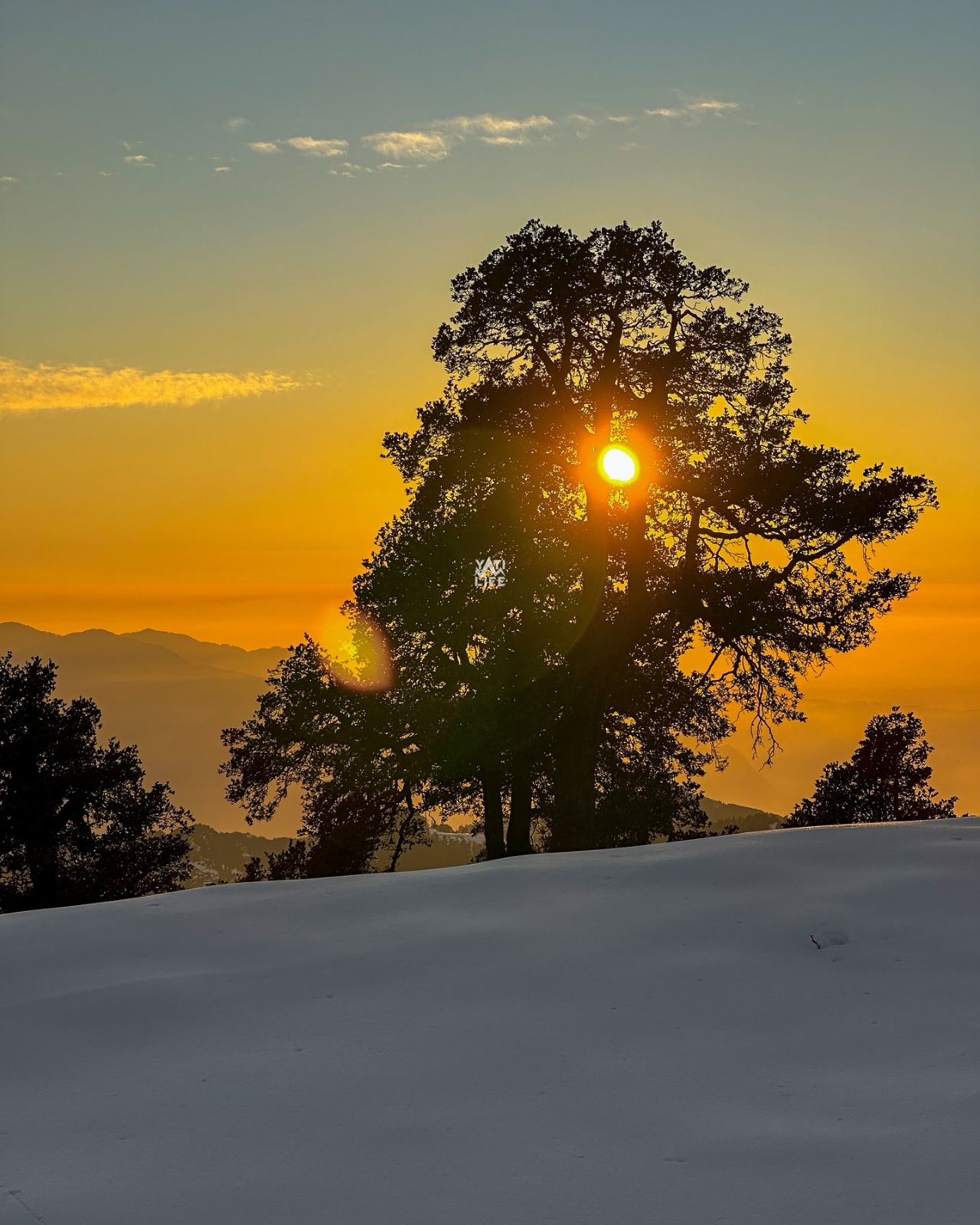
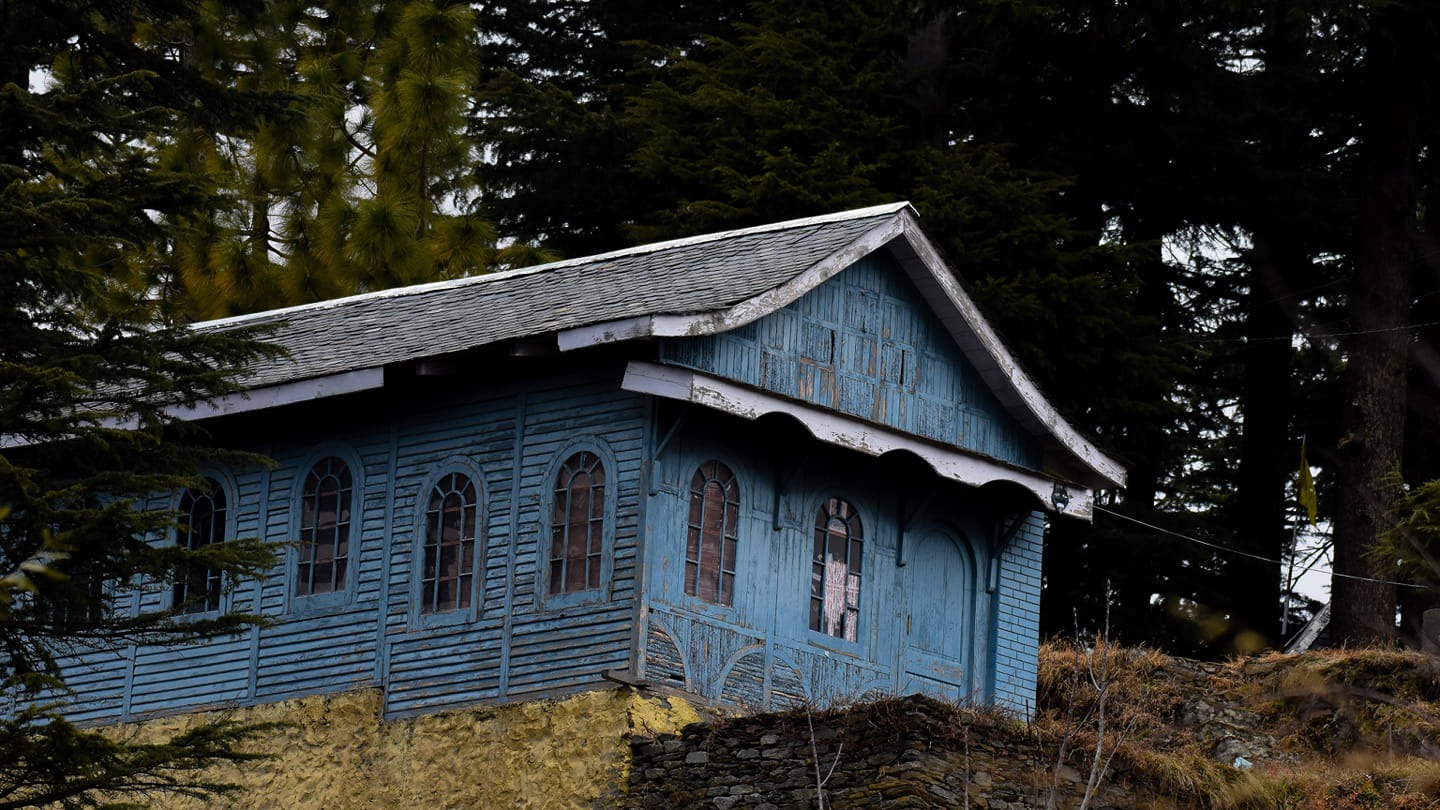
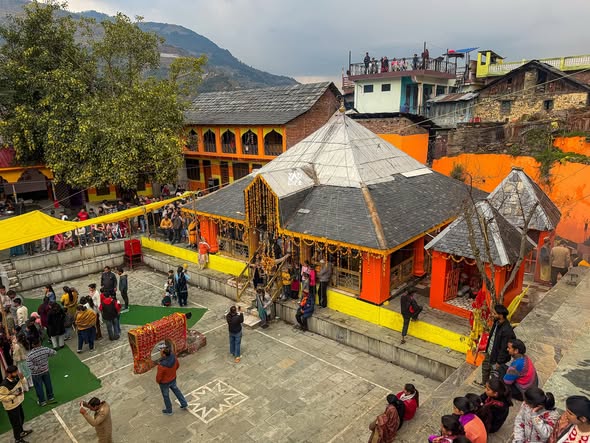
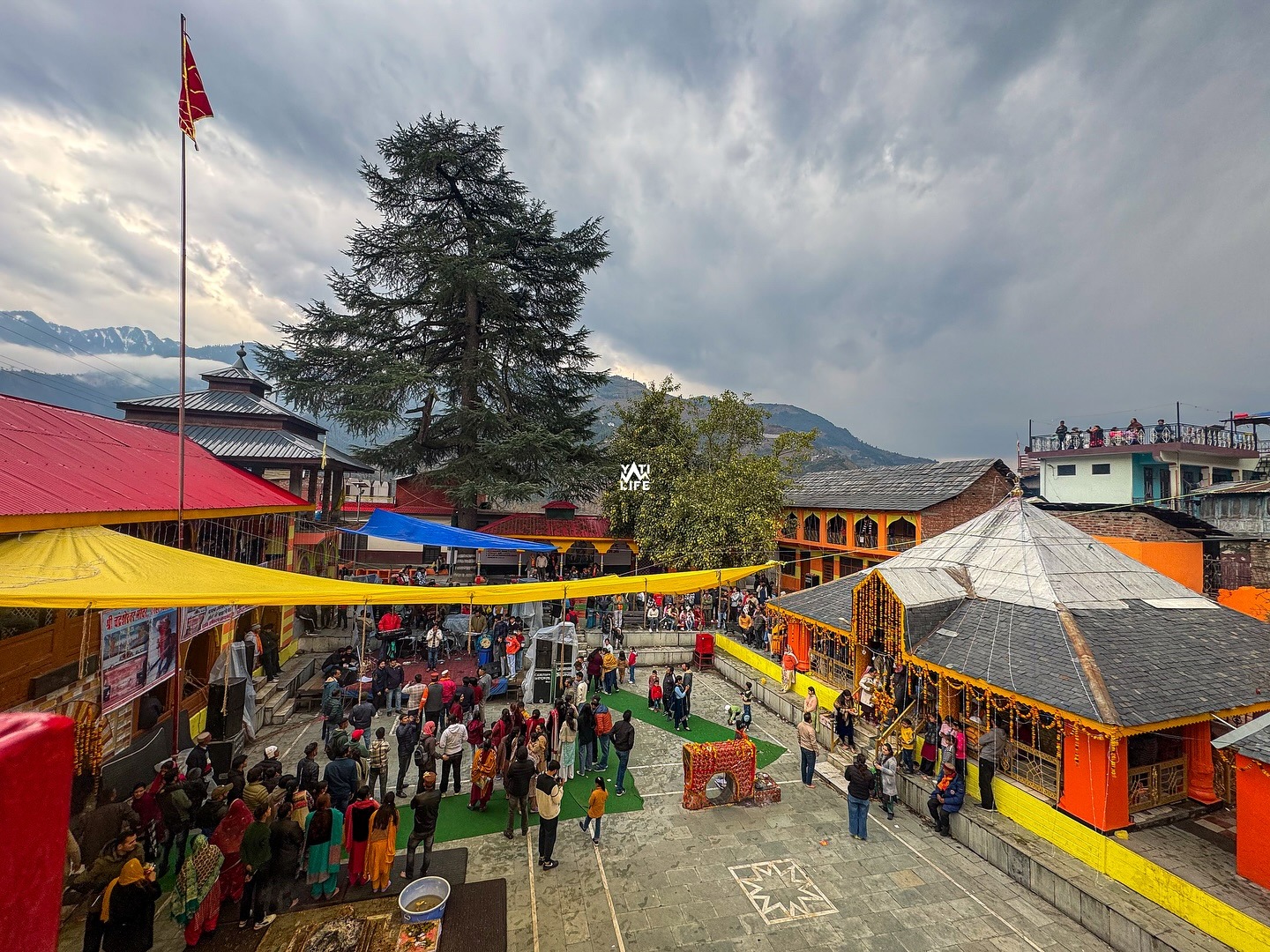
Inside the valley,
one frame at a time.
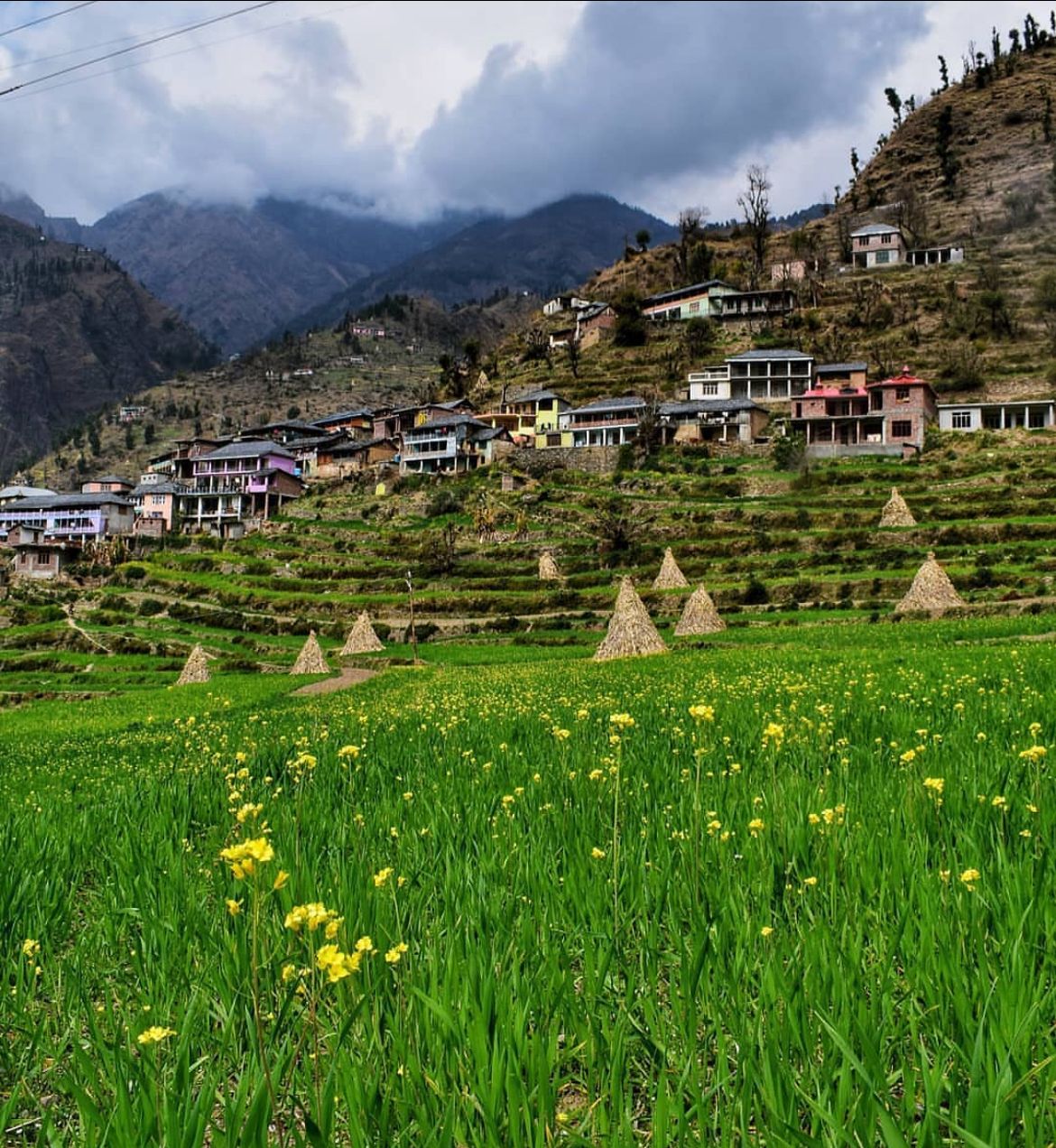
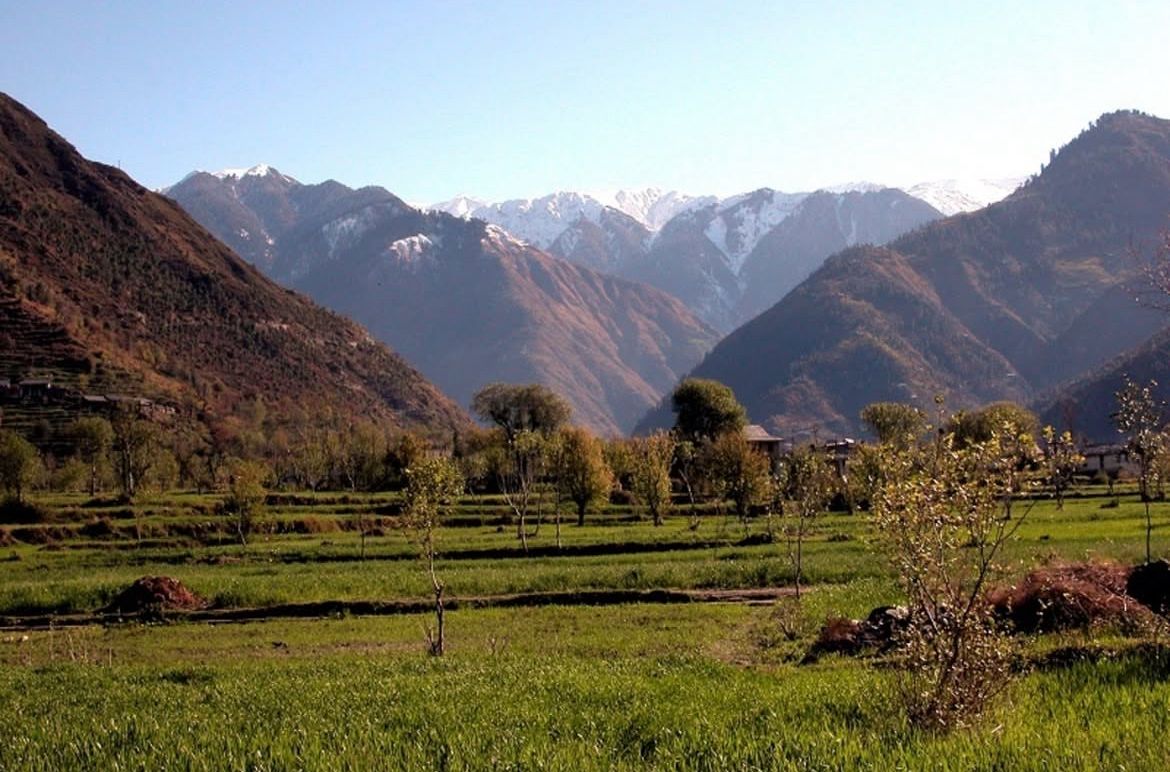
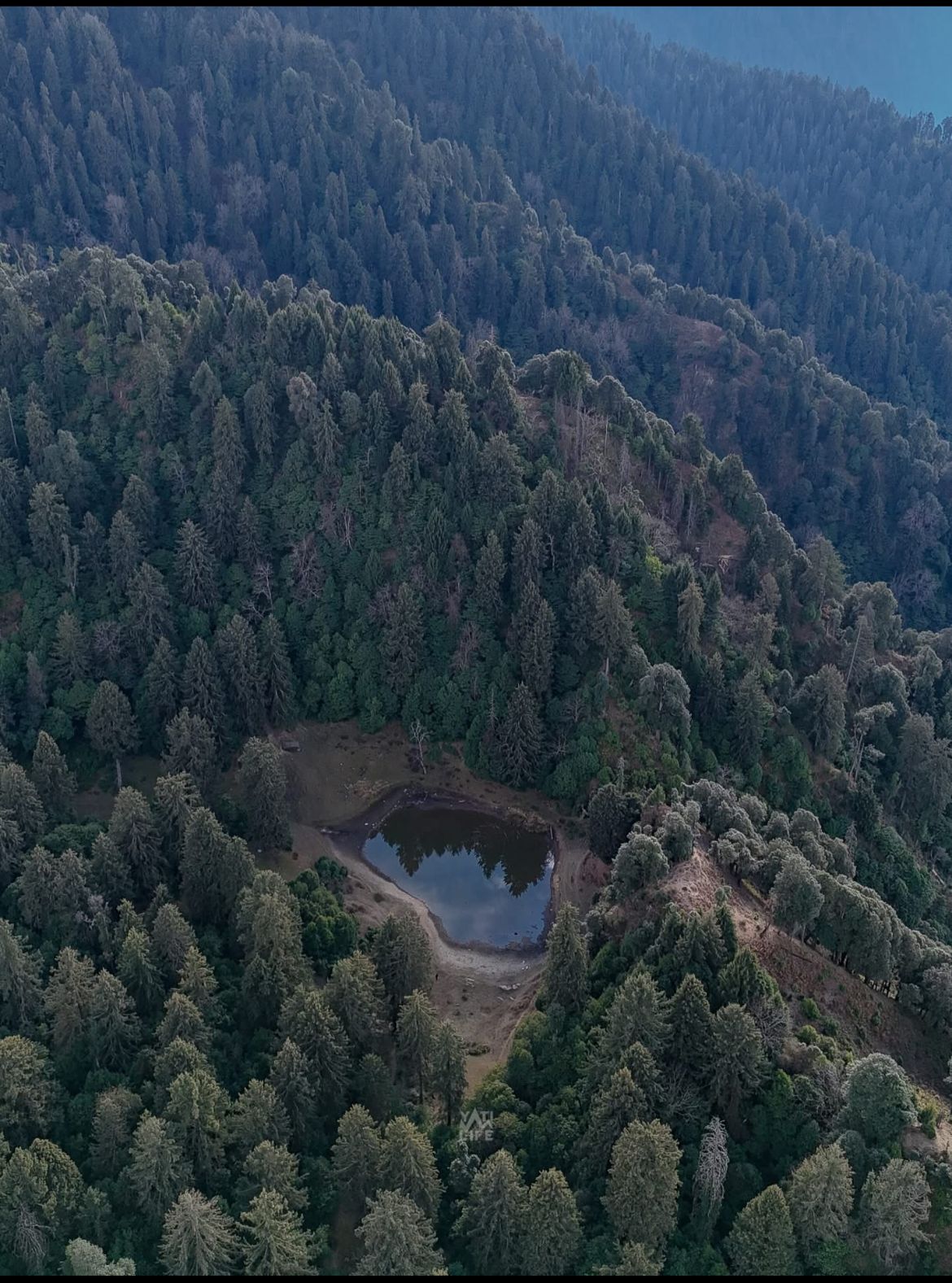
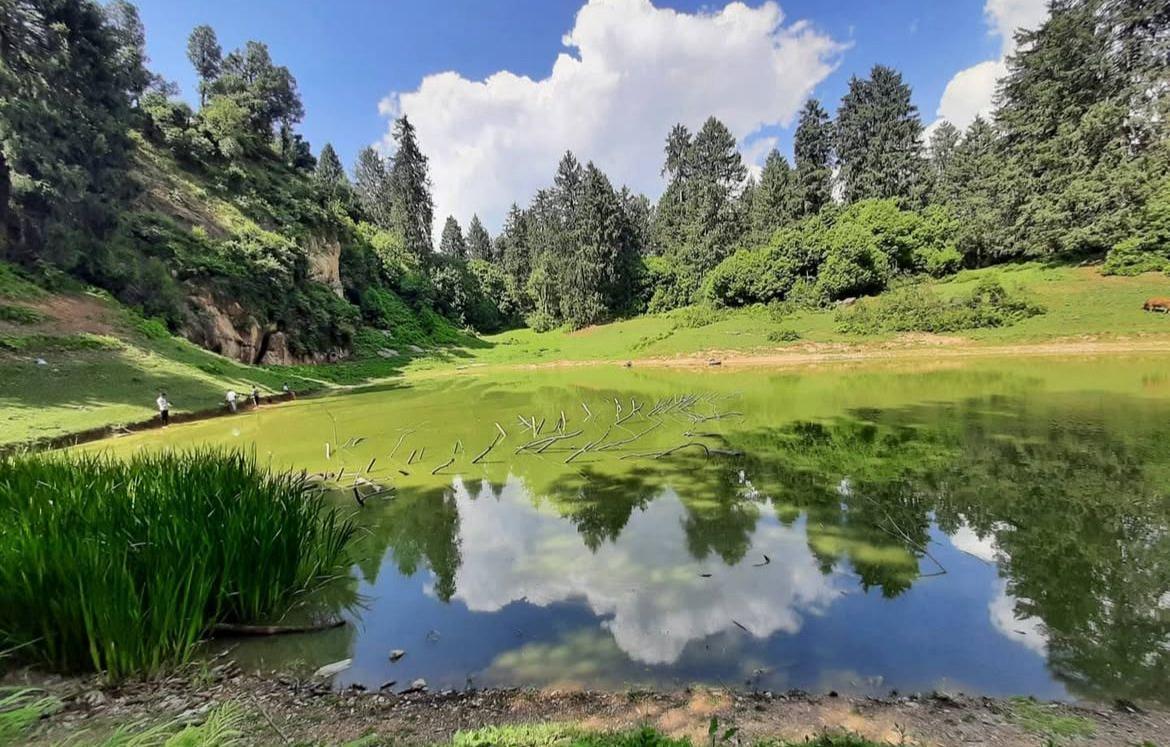
— The Spiritual Village Cluster
Eight to ten villages,
three communities, one valley.
Villages identified as part of the Mystic Villages · Sal Valley cluster — home to a vibrant coexistence of Pangwal, Gaddi and Gujjar communities.
- · Kothi
- · Chaminu
- · Lanji
- · Andaralu
- · Khanderi
- · Chameri
- · Sal village
- · Baror
— Homestays & Capacity
Eleven homestays,
growing slowly.
Around 11 homestays are under development across the cluster. Two existing homestays are being supported with marketing assistance, while nine more are being strengthened through training, service improvements and on-the-ground interventions.
The plan links tourism growth directly with local livelihood support — so visitor inflow translates into real opportunities for women, youth and host families across the valley.
— Five Trails
Five trails,
one heritage circuit.
01
Hul Kul Heritage Trail · 2 km
A circular trail along the Hul river canal — built to water the village. Starts at Chaminu, crosses the Hul river bridge, reaches Chameri, returns through Andaralu.
02
Hadimba Devi Trail
A second trail connecting toward the Hadimba Devi temple — quiet forest pathways with sacred halts.
03
Three Cluster Trails
Three further trails link the wider village cluster — flora and fauna documented along the way for visitors.
04
Knowledge Sheets
Trail information is being converted into poster-style knowledge sheets on ACP panels — educational, scenic and practical.
— Local Experiences
Crafts, food
and spiritual life.
- · Meal with a local family
- · Live honey bee viewing
- · Chamba Rumal embroidery sessions
- · Chamba Pahari miniature painting
- · Live bansuri at temple sites
- · Folk songs and Pahari music
- · Yoga and dhyaan in a Gurukul setting
- · Herbal tea points in the Gujjar community
- · Gharaat (traditional watermill) experiences
- · Natural farming with village families
— Stay with the community
A slower
rhythm of life.
Saal Valley's homestays offer an opportunity to experience everyday village life amidst streams, forests and mountain landscapes. Guests enjoy locally prepared meals, community interactions, and a rhythm of life that encourages reflection, learning and meaningful connection.
— Landscape & Heritage
Living traditions,
indigenous technologies.
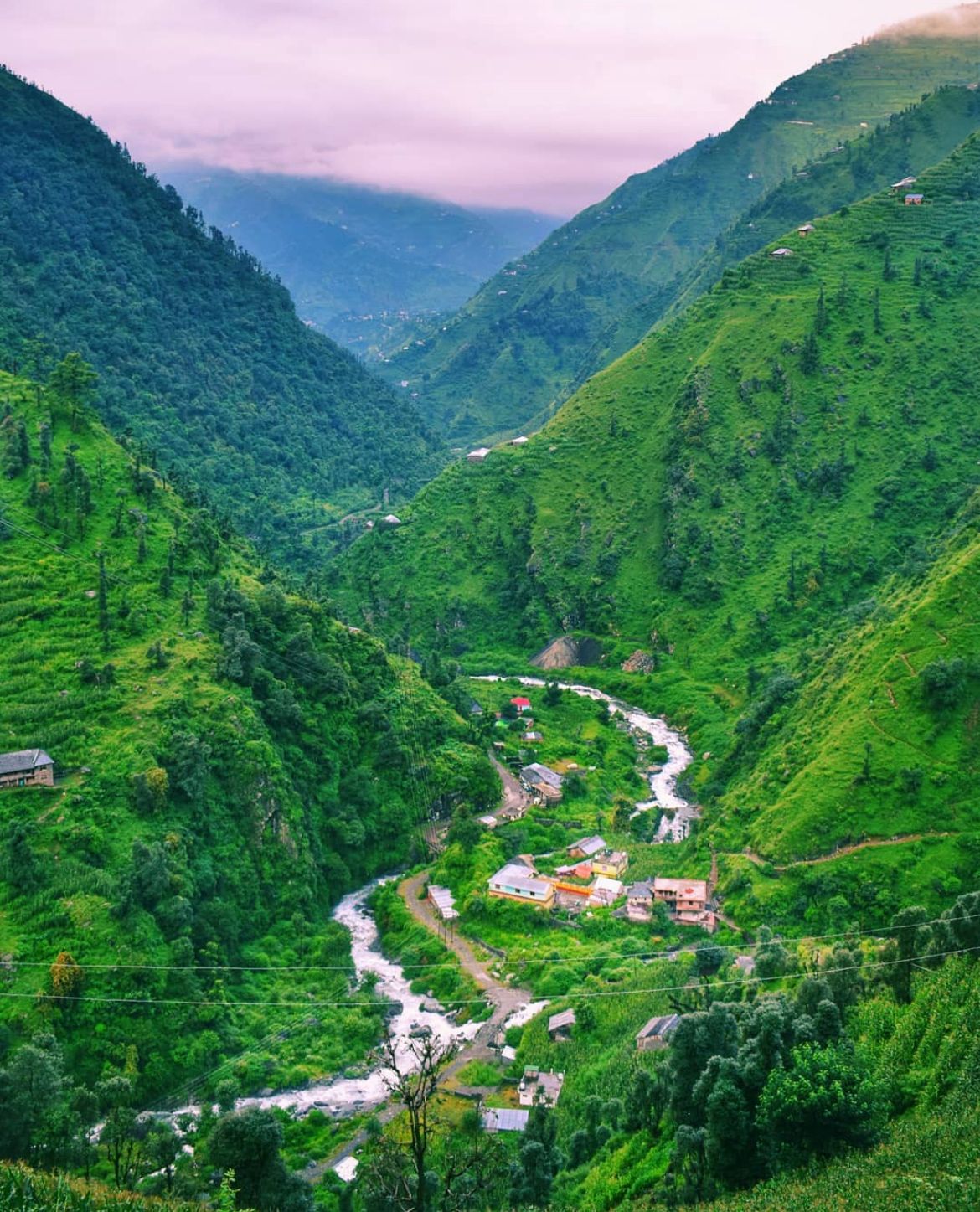
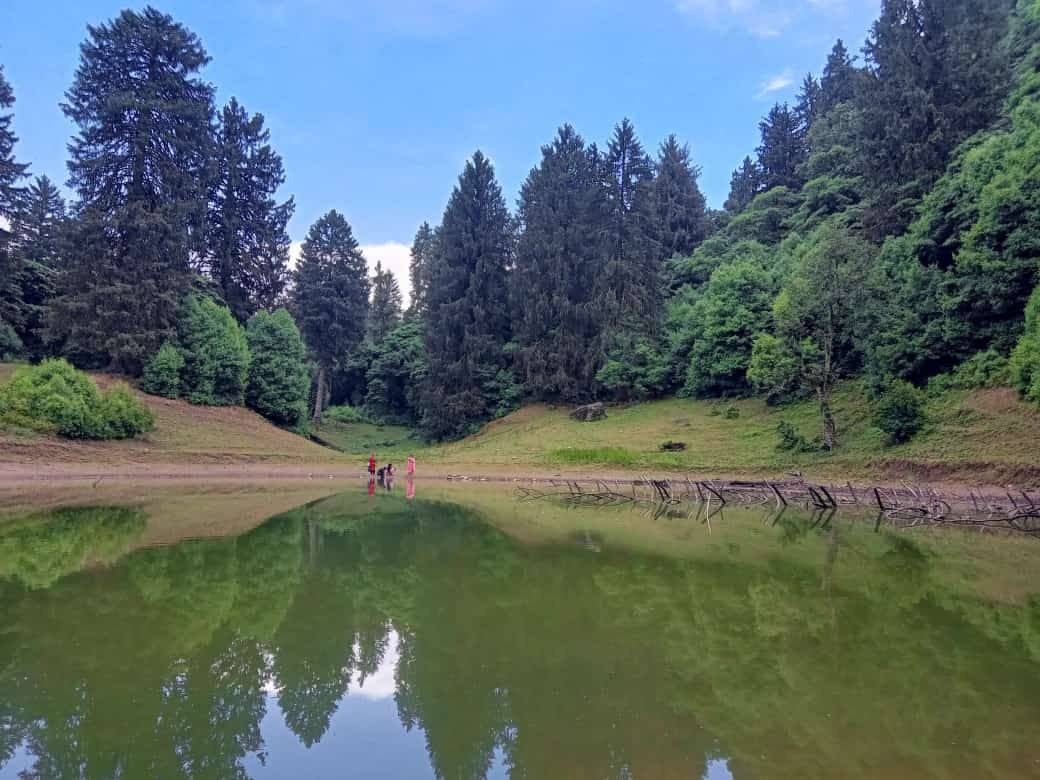
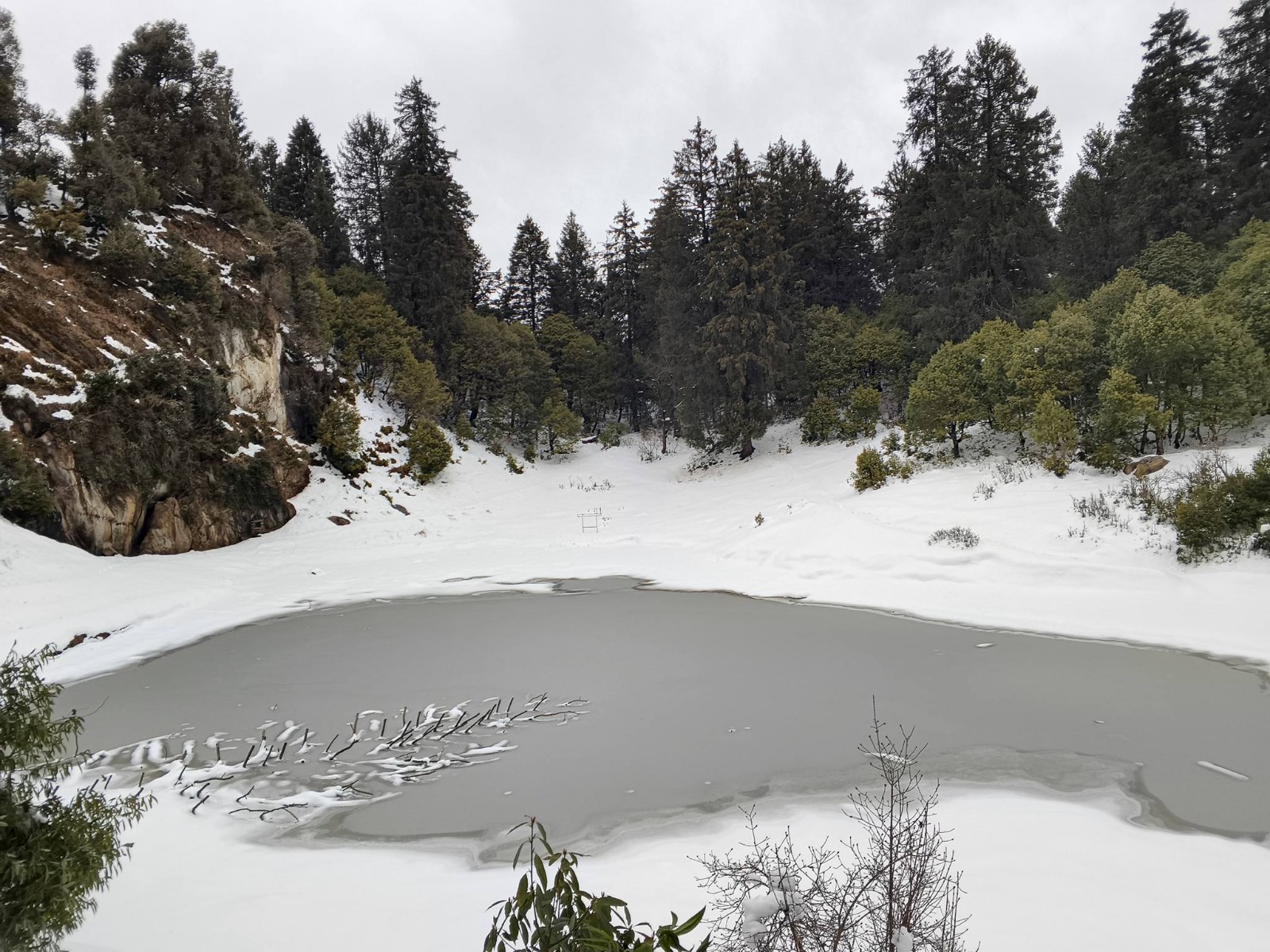
The valley is defined by flowing streams, terraced farms, forests, traditional settlements and sacred spaces. It is also home to living traditions of craftsmanship, spirituality, local food systems and indigenous technologies such as the traditional watermill — creating a landscape where culture and nature remain closely intertwined.