— Mystic Villages · Dwat Mahadev Valley
A private valley of
forest, faith and orchard.
A rarefied corner of the Chamba Himalayas — ancient temples, heirloom orchards and a single model hamlet of Gaddi families, opened slowly to a handful of travellers at a time. Considered, unhurried, and unmistakably luxurious.
— Why this valley
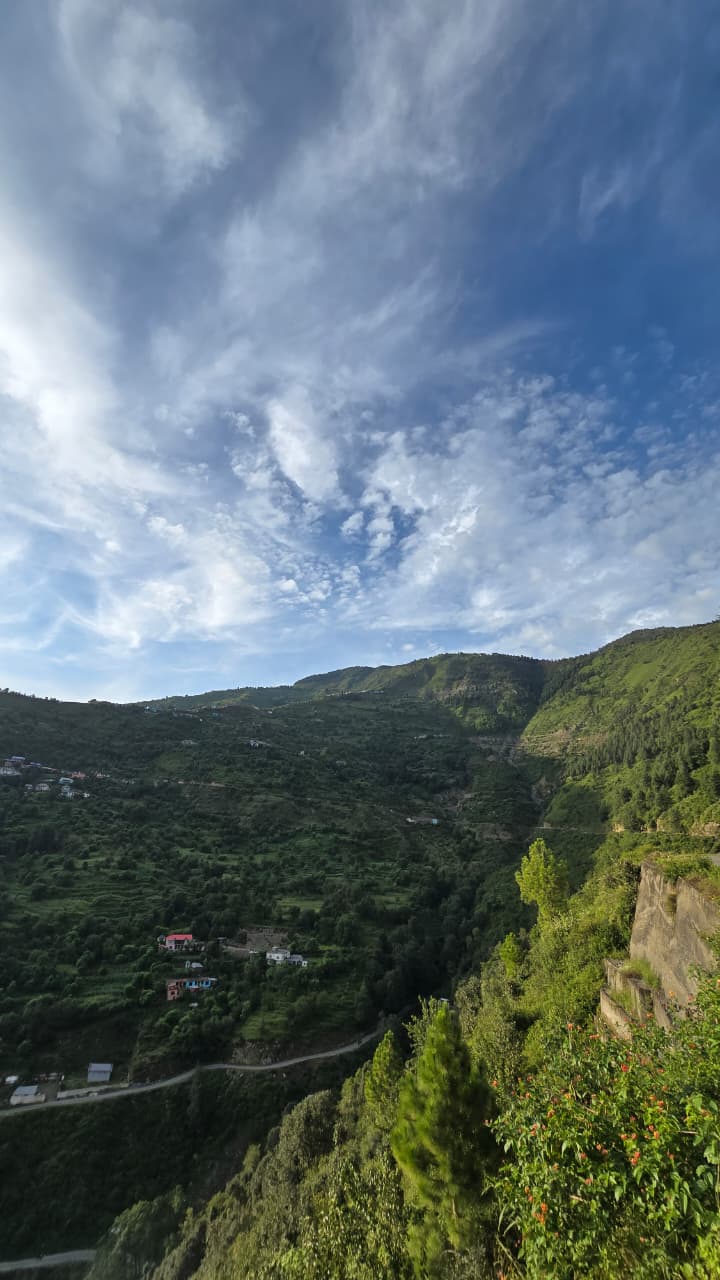
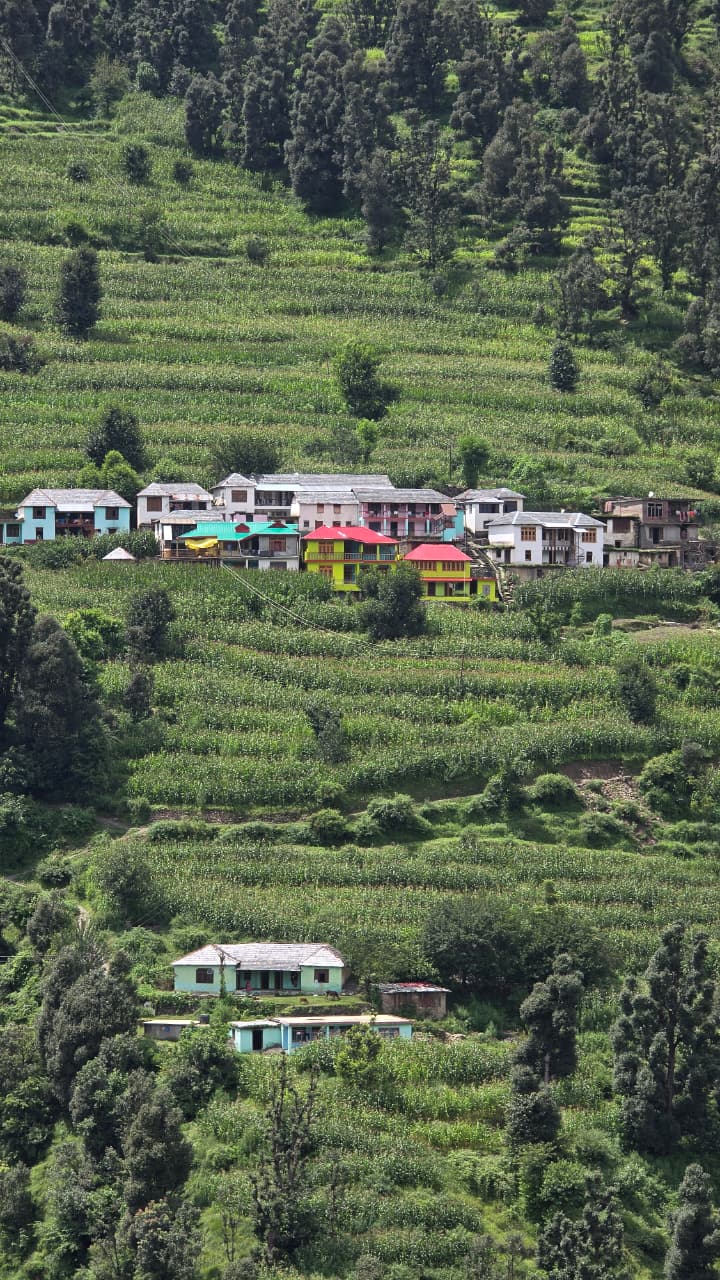
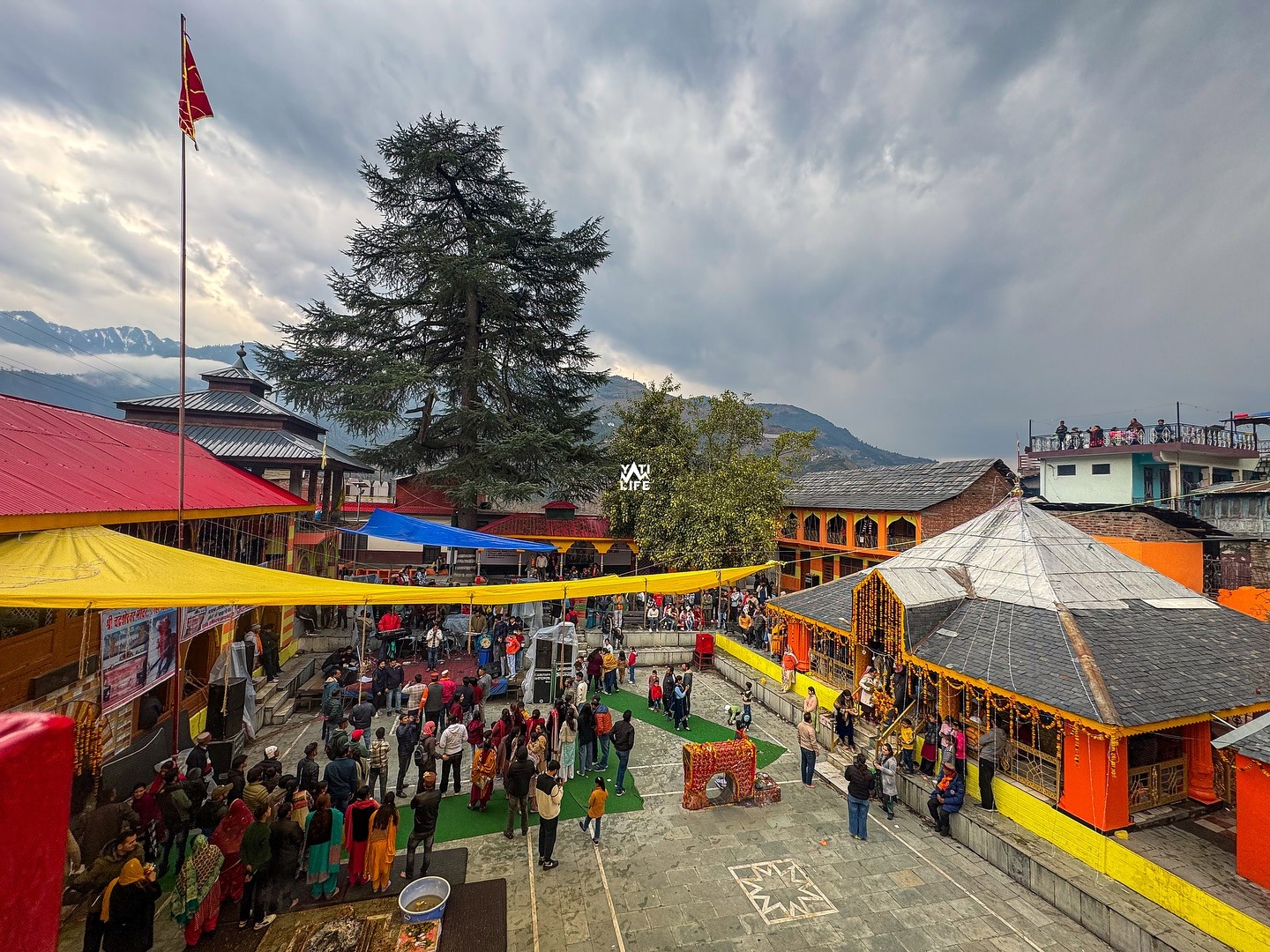
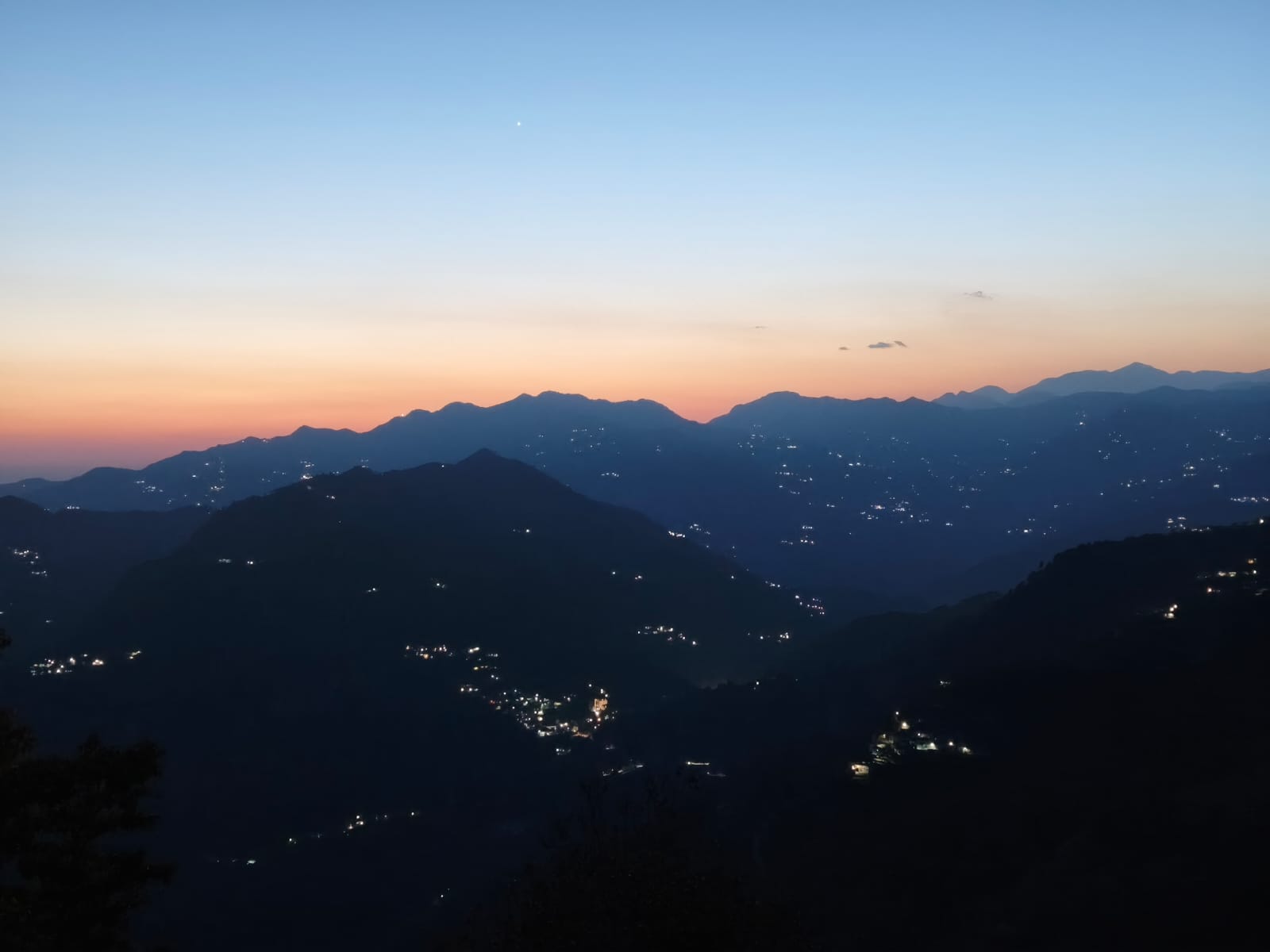
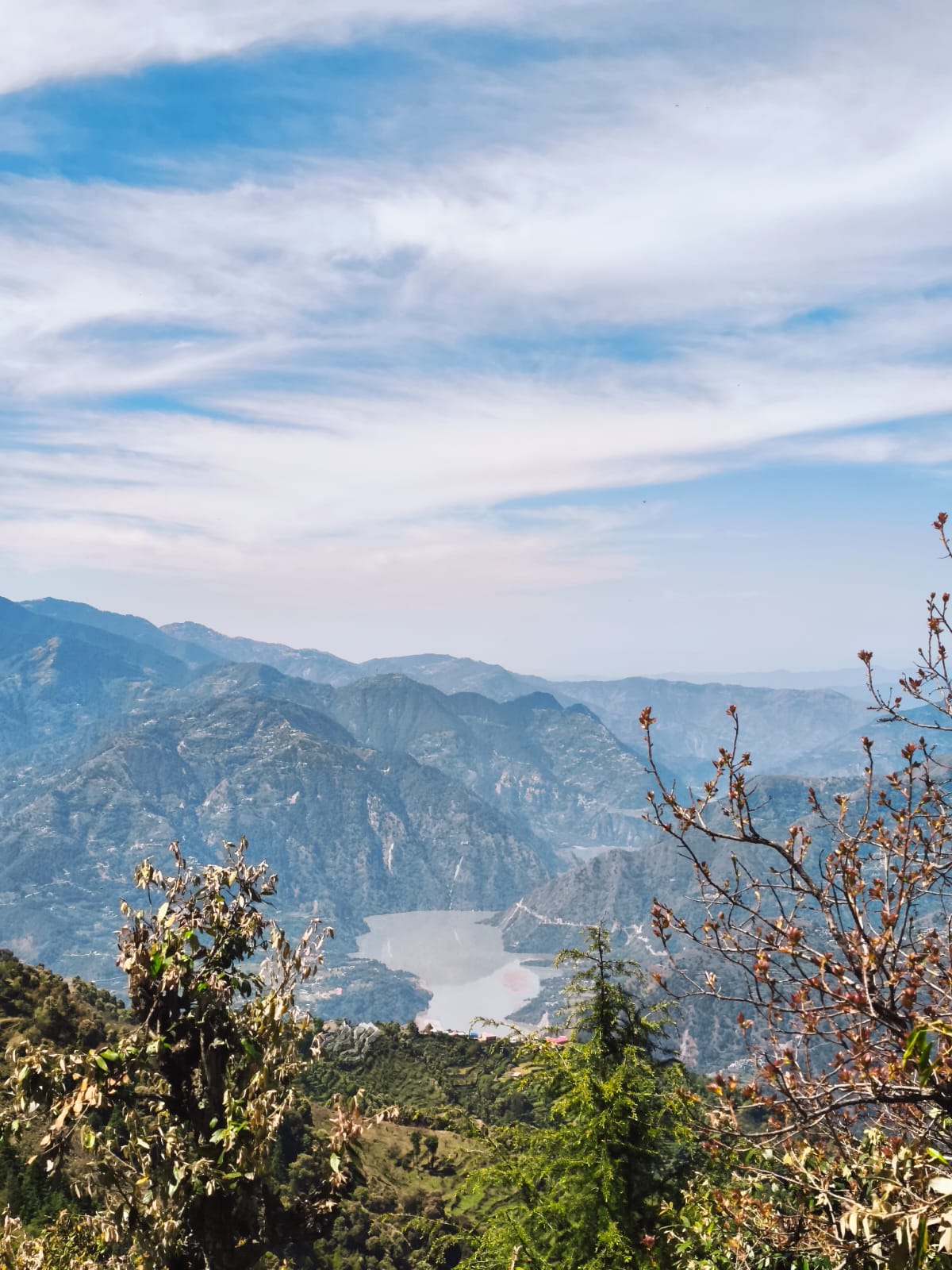
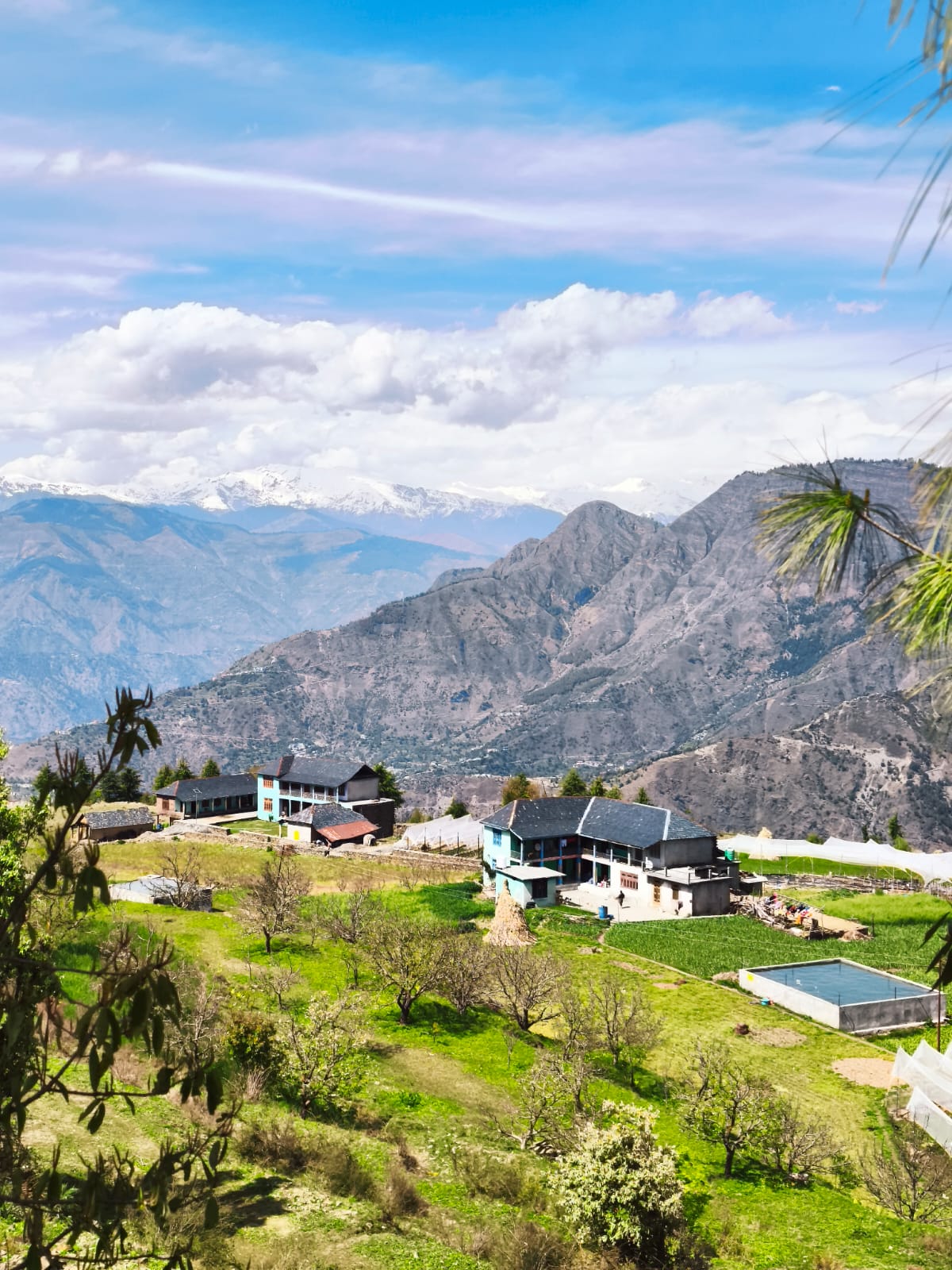
Dwat Mahadev Valley is a discreet, high-altitude sanctuary set between the Pir Panjal and the Dhauladhar — a place for travellers who measure luxury in silence, scale and the quality of the company they keep. Thousand-year-old temples, terraced apple and kiwi orchards, deodar reserve forest and the soft mirror of the Chamera Lake compose a landscape that rewards slowness.
— Access & Landscape
Arrival,
and what unfolds.
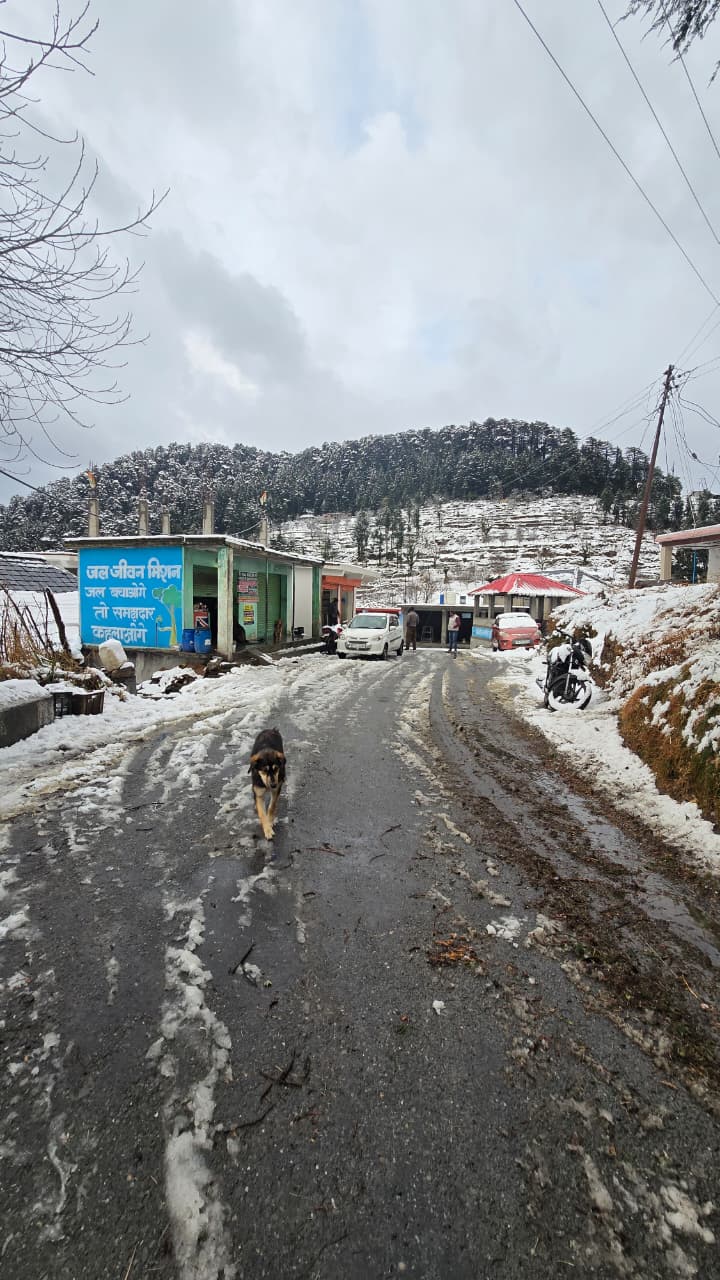
- · Approximately 30 km from Chamba bus stand by road
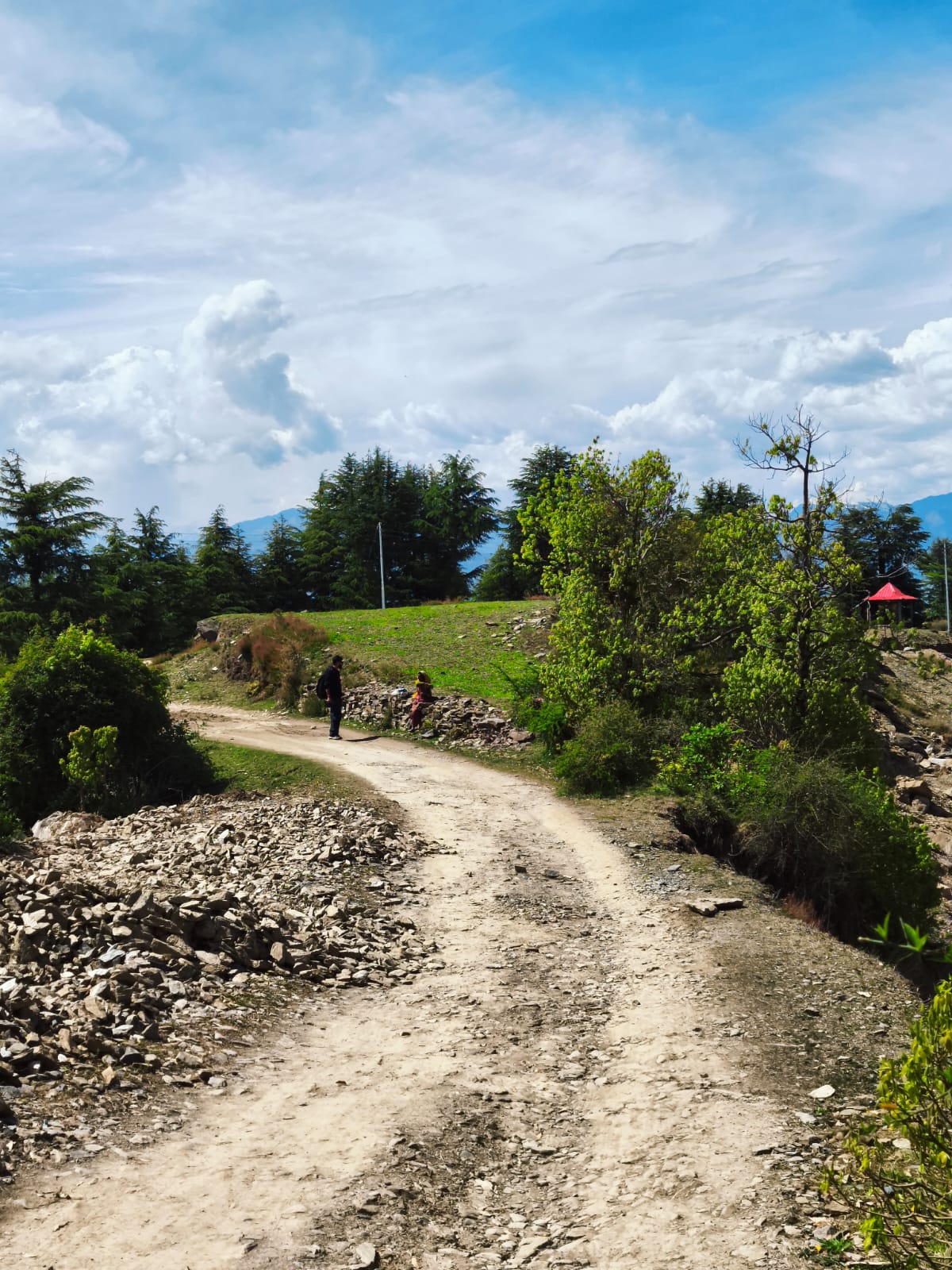
- · Final 1.5 km on foot to the temple — by design, not by accident
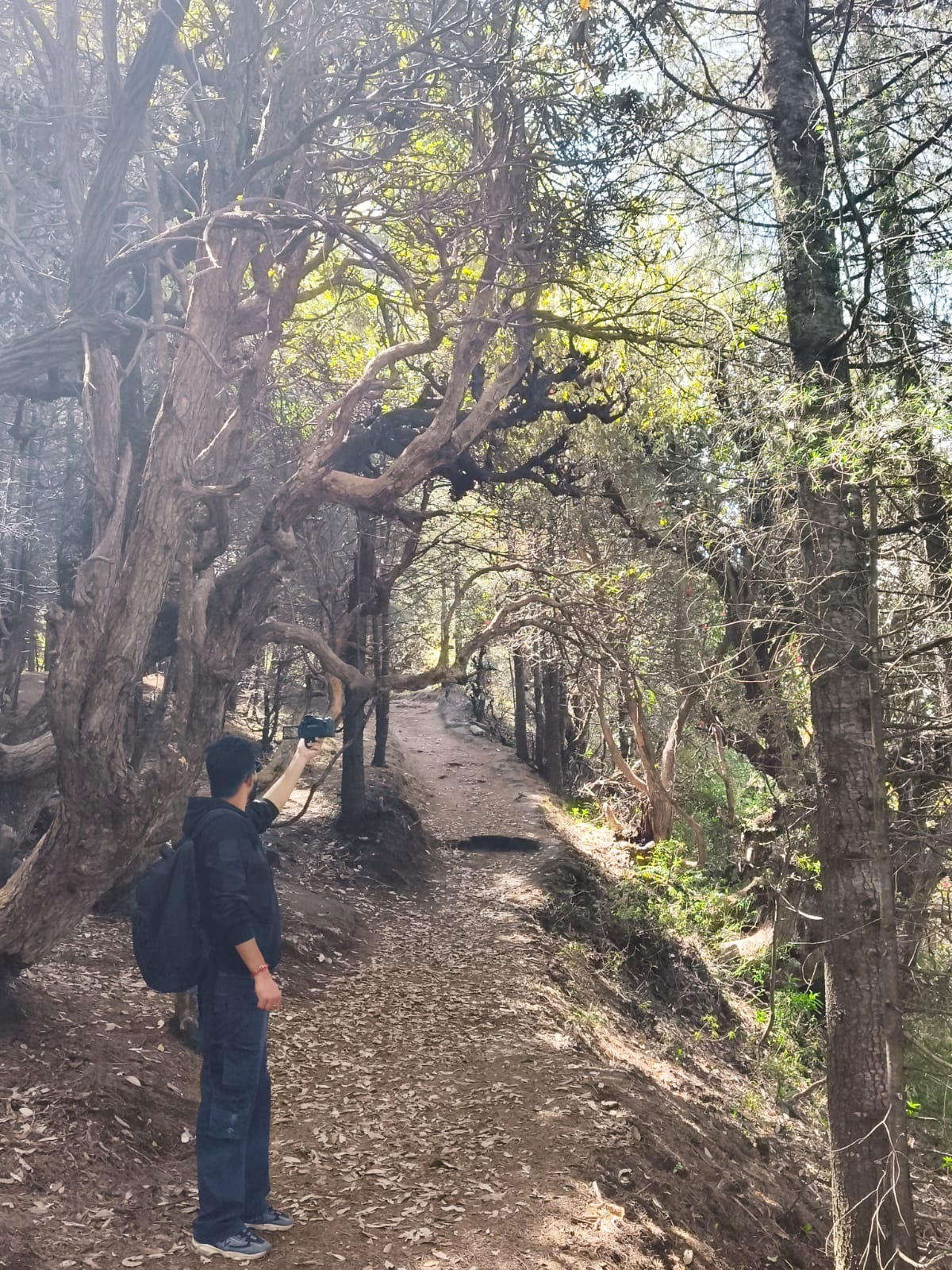
- · Reserve forest above the valley with rare langoor sightings
- · Heirloom flora and fauna across the upper slopes
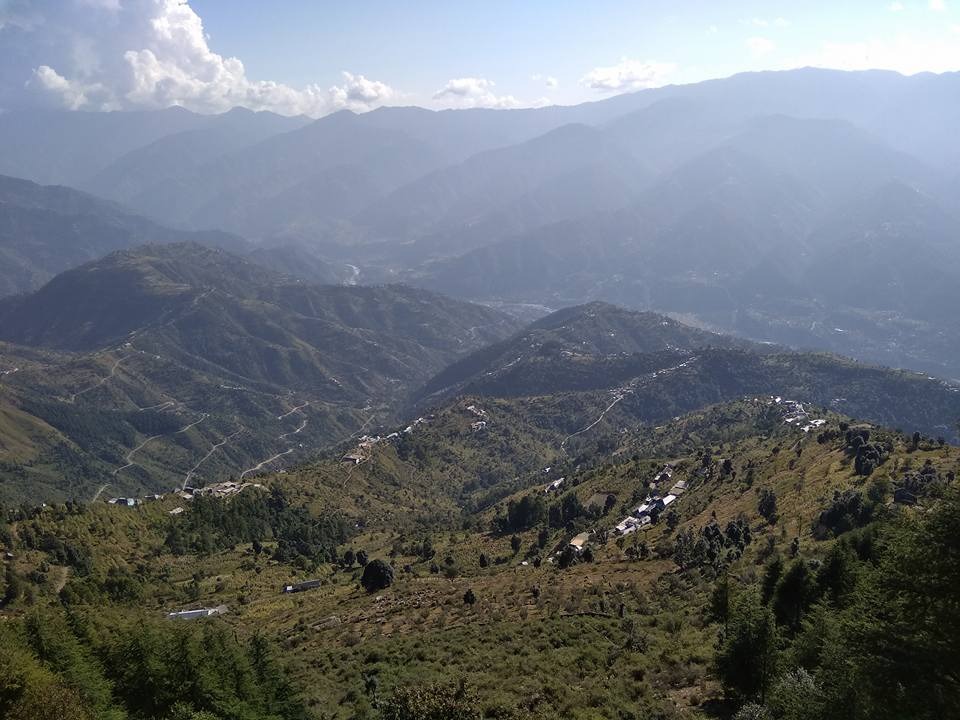
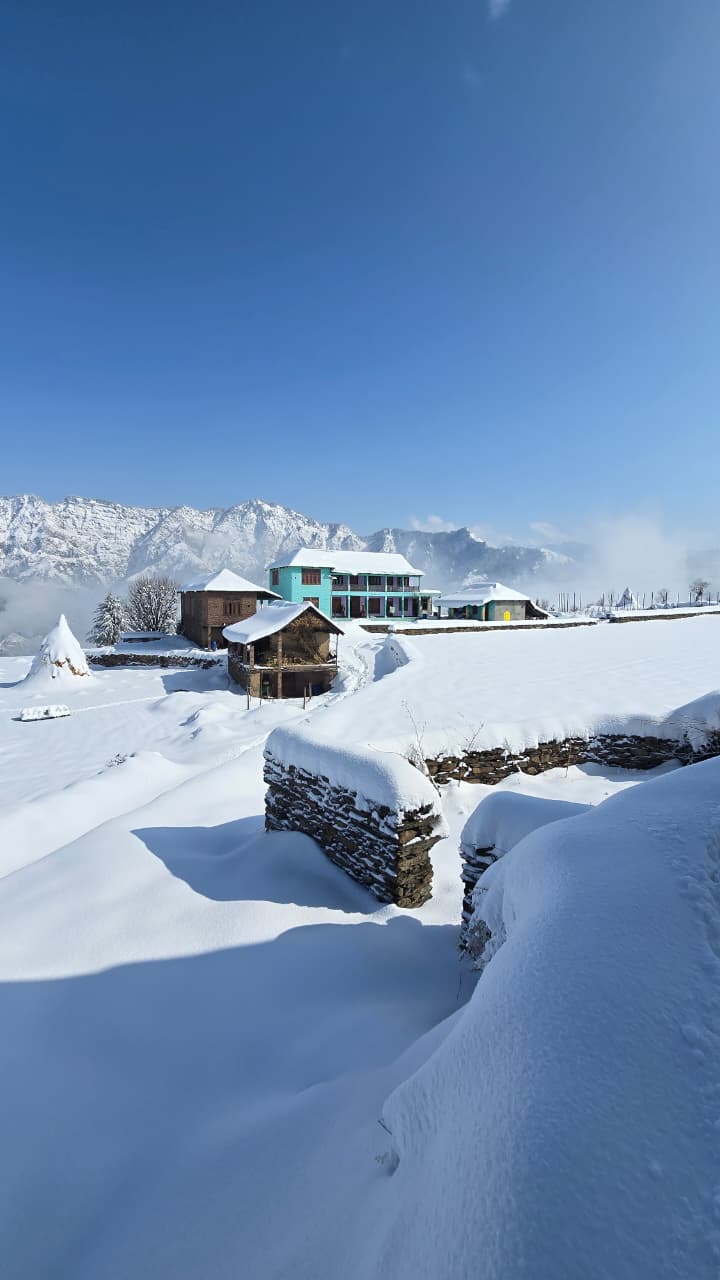
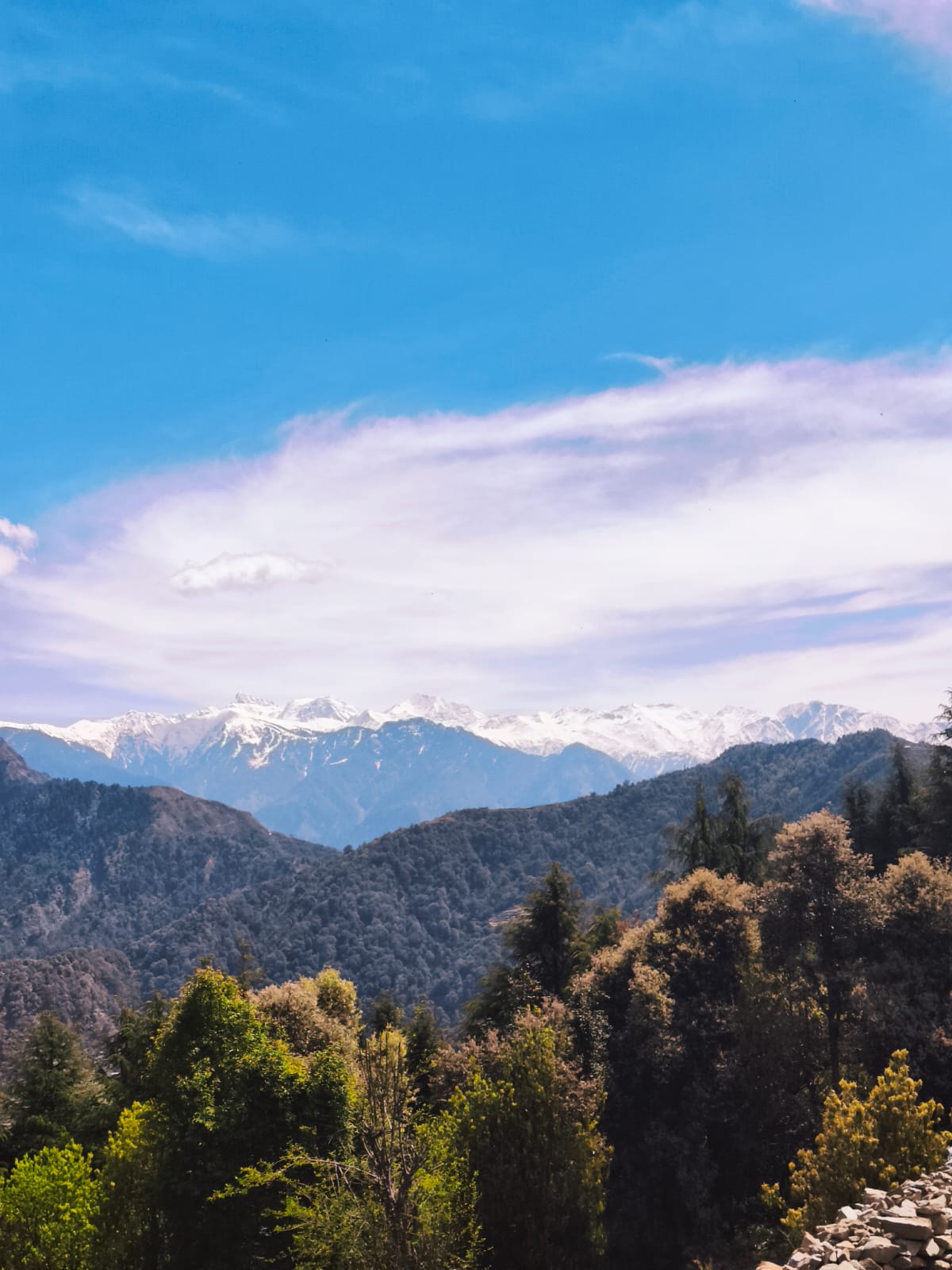
- · Pir Panjal range visible to one side
- · Dhauladhar range framed to the right
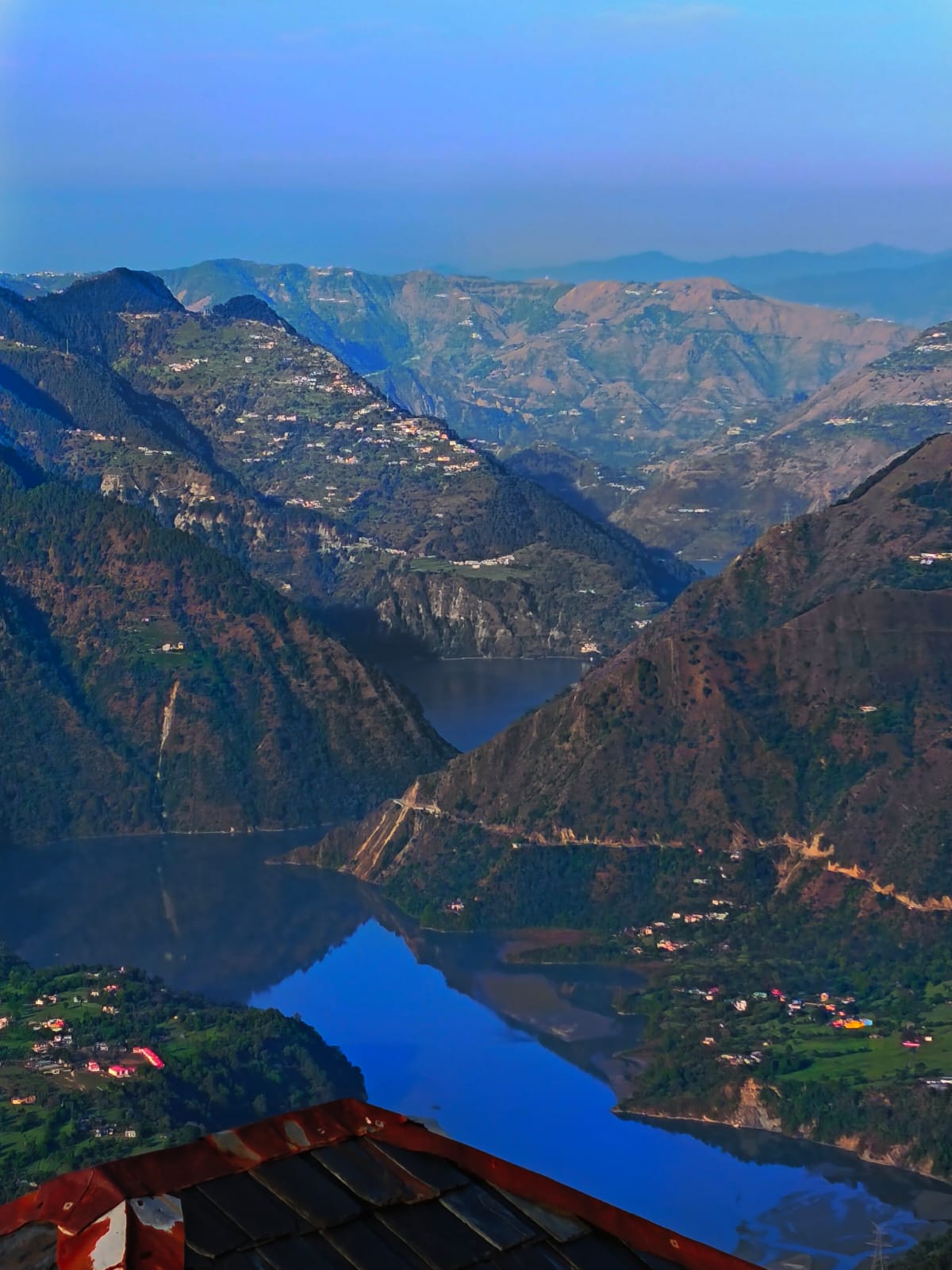
- · Chamera Lake dam glinting in the further distance
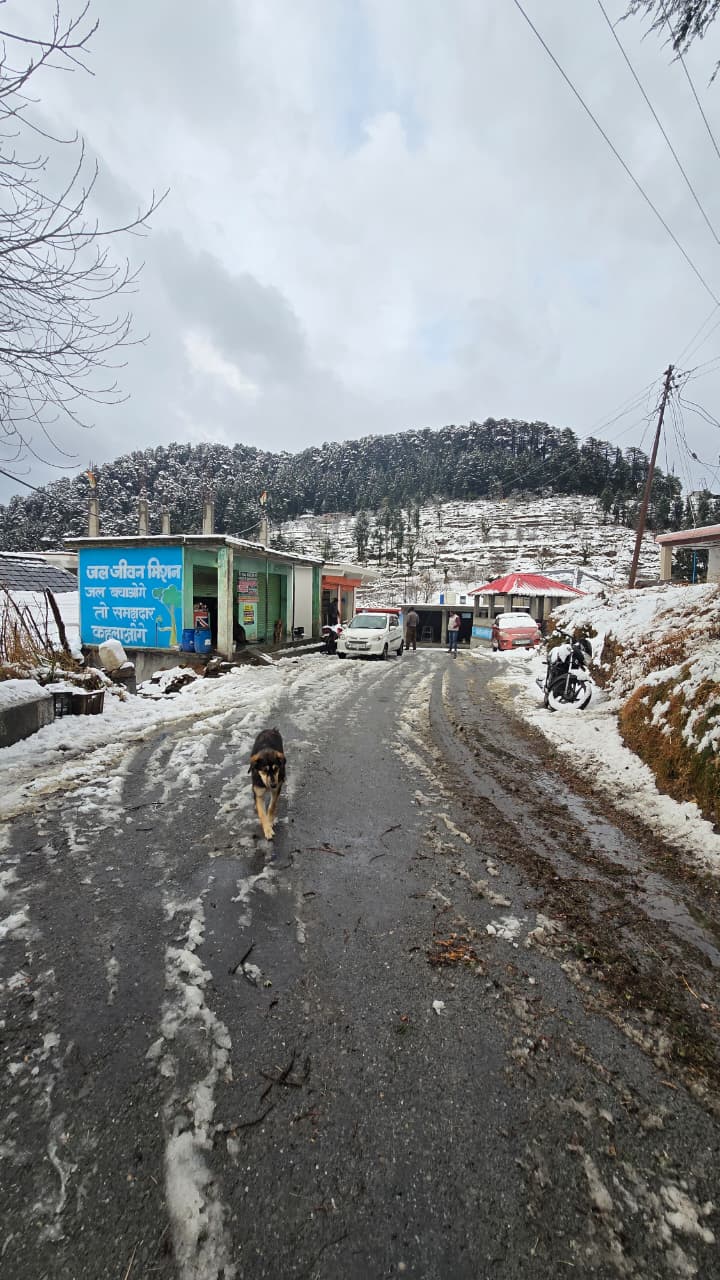
- · Quiet roads, no resort sprawl, no crowds
— Agriculture
A valley
of heirloom harvests.
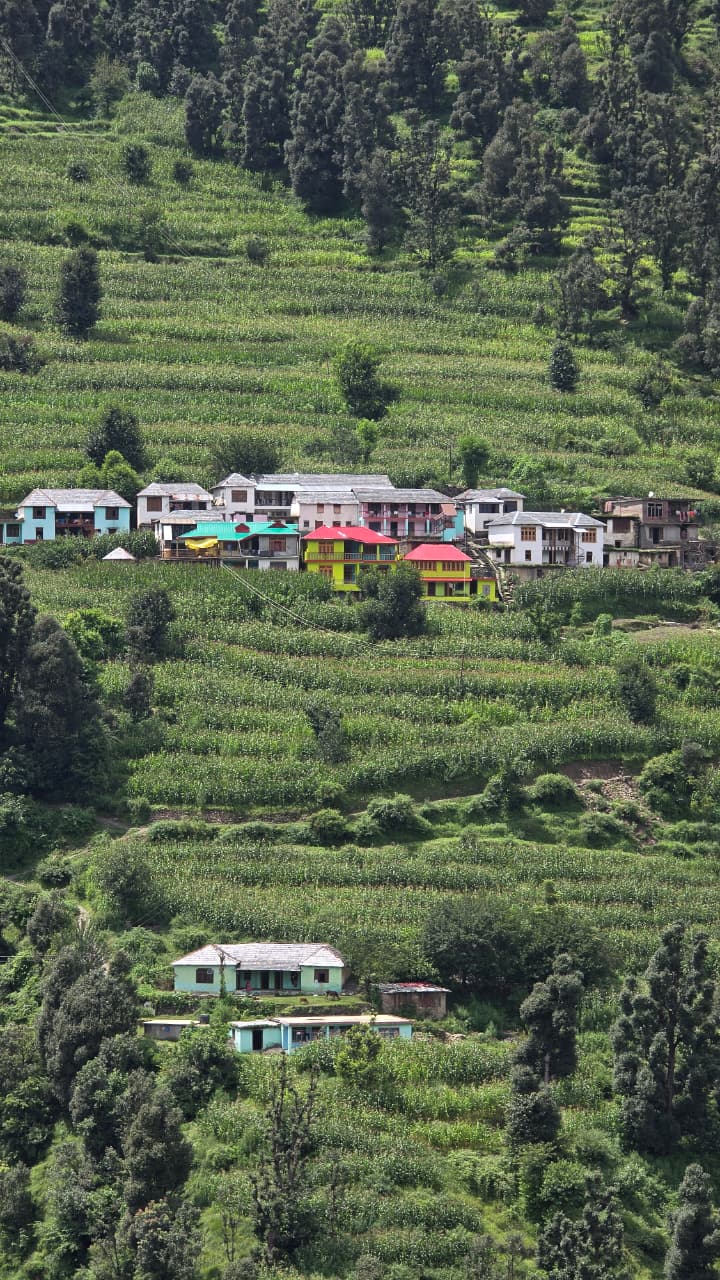
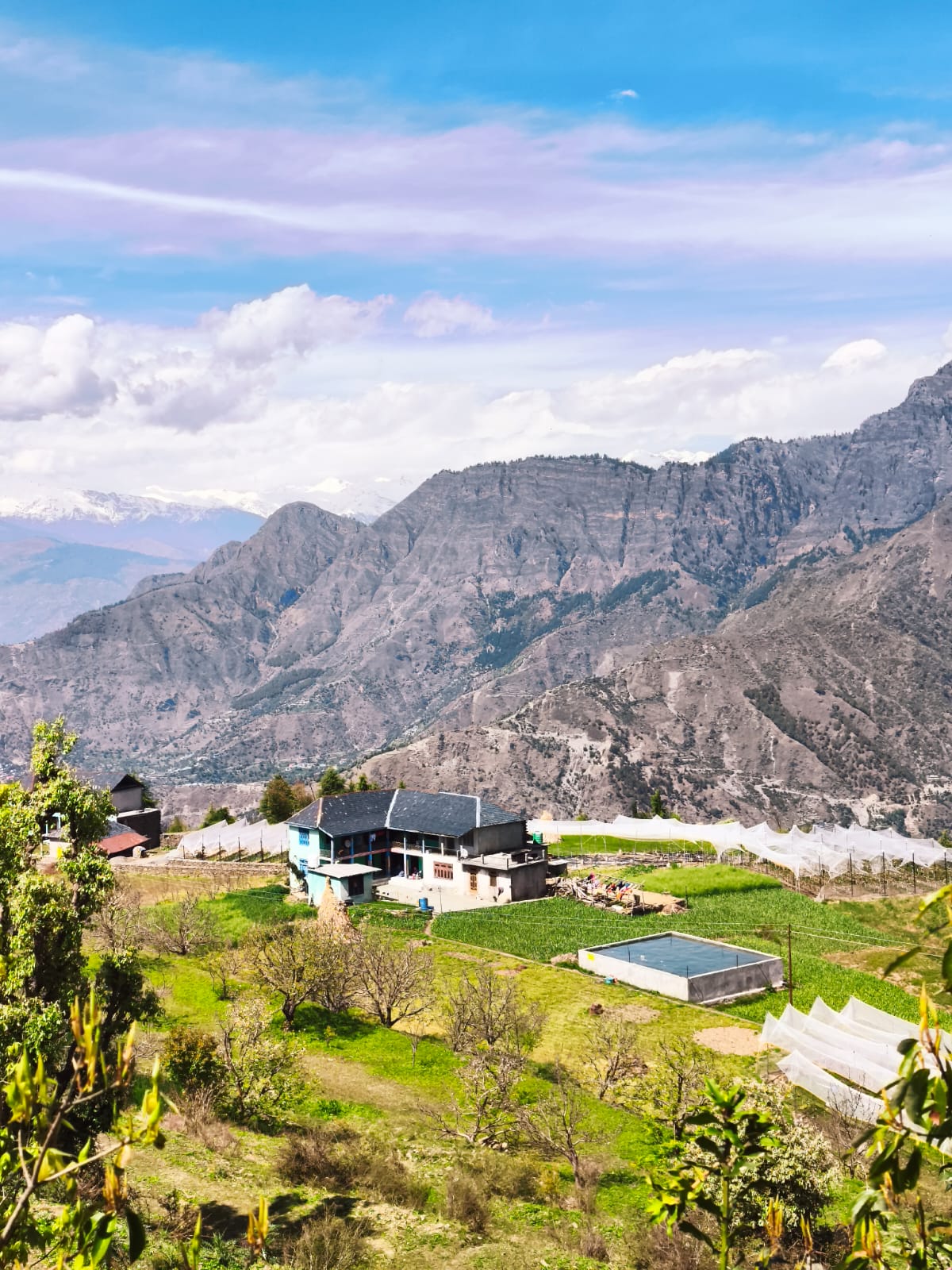
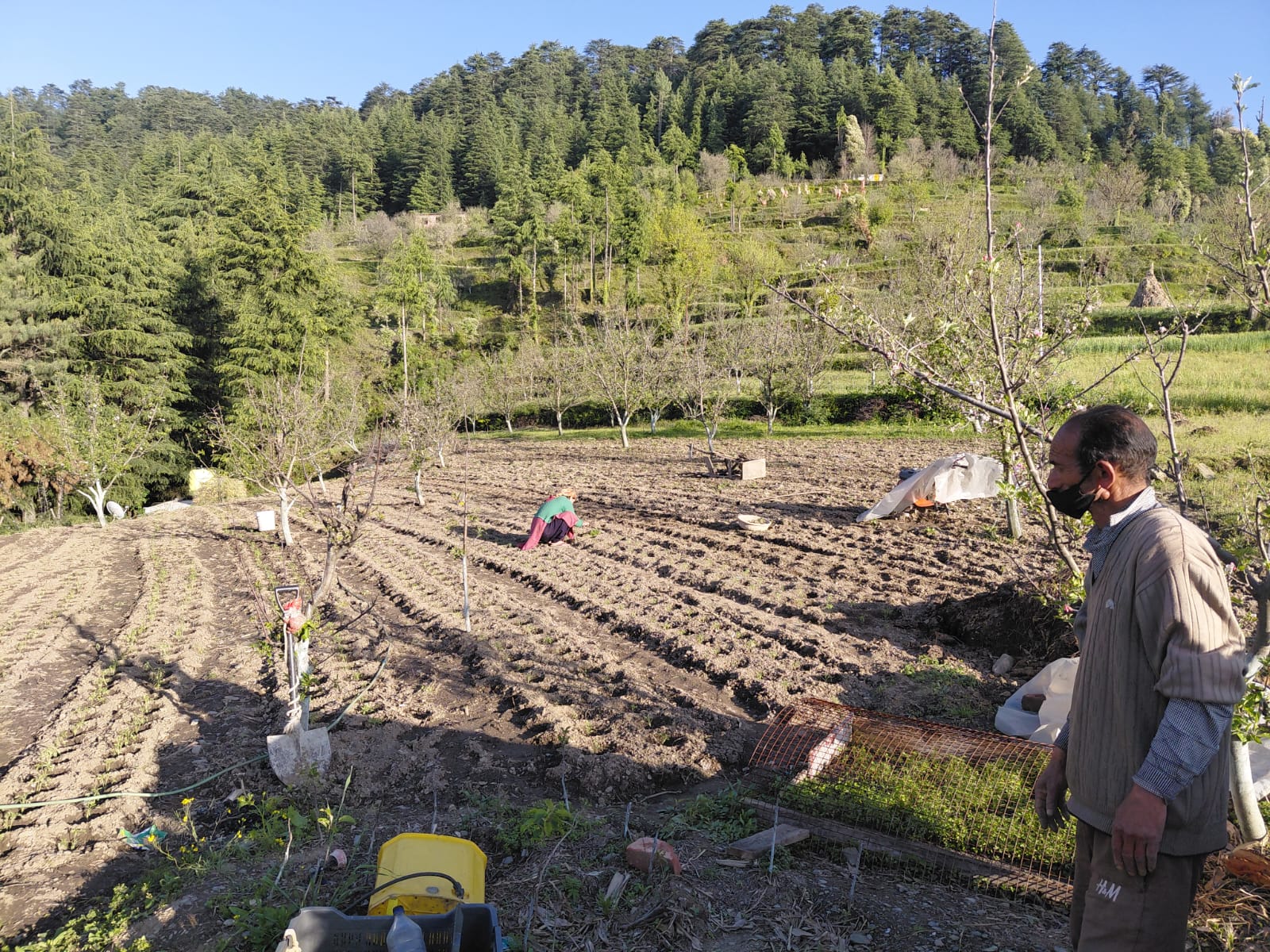
The orchards yield apple, kiwi, apricot and peach; the kitchen gardens carry garlic, onion, peas and potatoes. Gaddi families continue to practise organic and natural farming — by hand, by season, by memory.
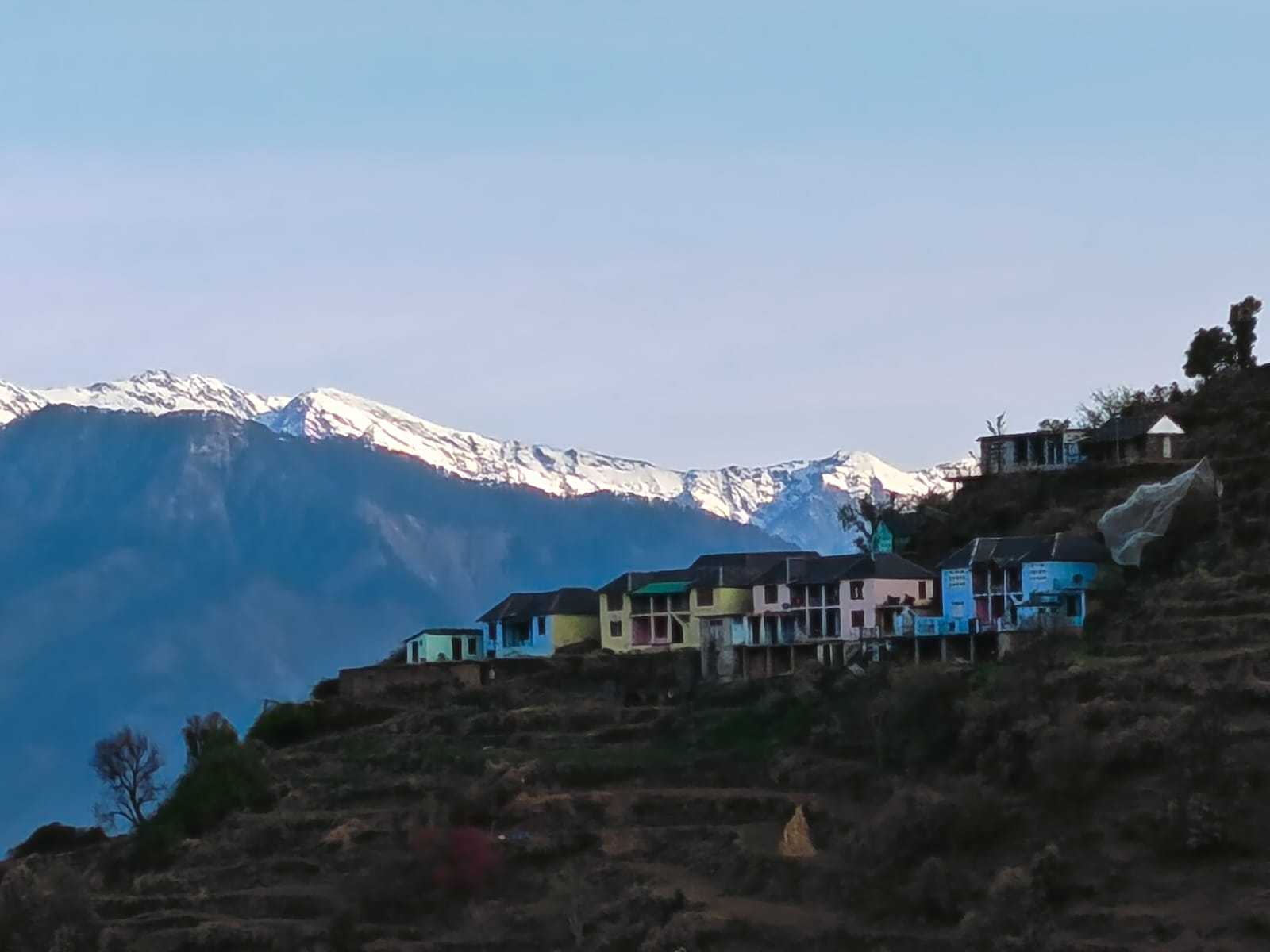
Village life remains tightly woven, with a quiet sense of brotherhood and the raw, old-style mountain houses that have stood for generations — a living heritage, not a staged one.
— Historical & Cultural Identity
Temples that have
stood for centuries.
01
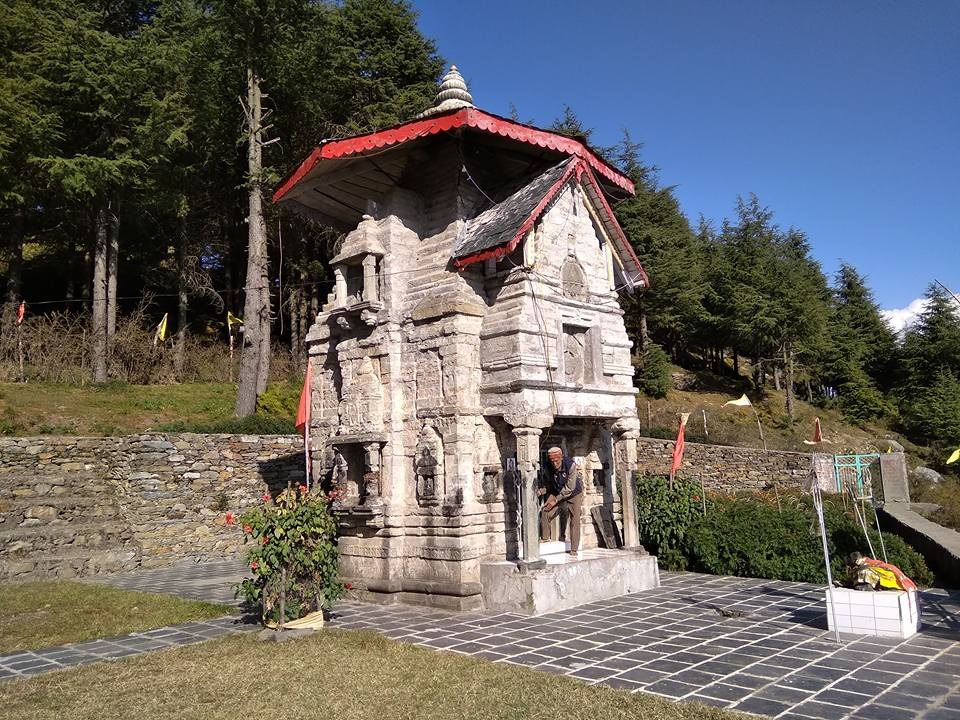
Sandhi Temple
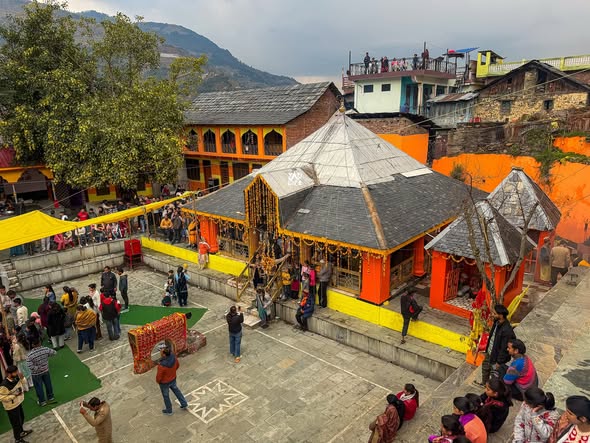
An ancient sanctum more than 1,000 years old — quiet, weathered, and still in worship.
02
Dwat Mahadev
Historically significant and very old — the namesake of the valley, set above the village line.
03
Parvati Mata · Sikri Dhar
Distinctive in form and feeling — a ridge-top temple unlike any other in the region.
04
Gaddi Community
Central to the cultural identity of the valley — pastoral life, festivals and folk tradition.
— Borkha · Model Village
Borkha — the
model hamlet.
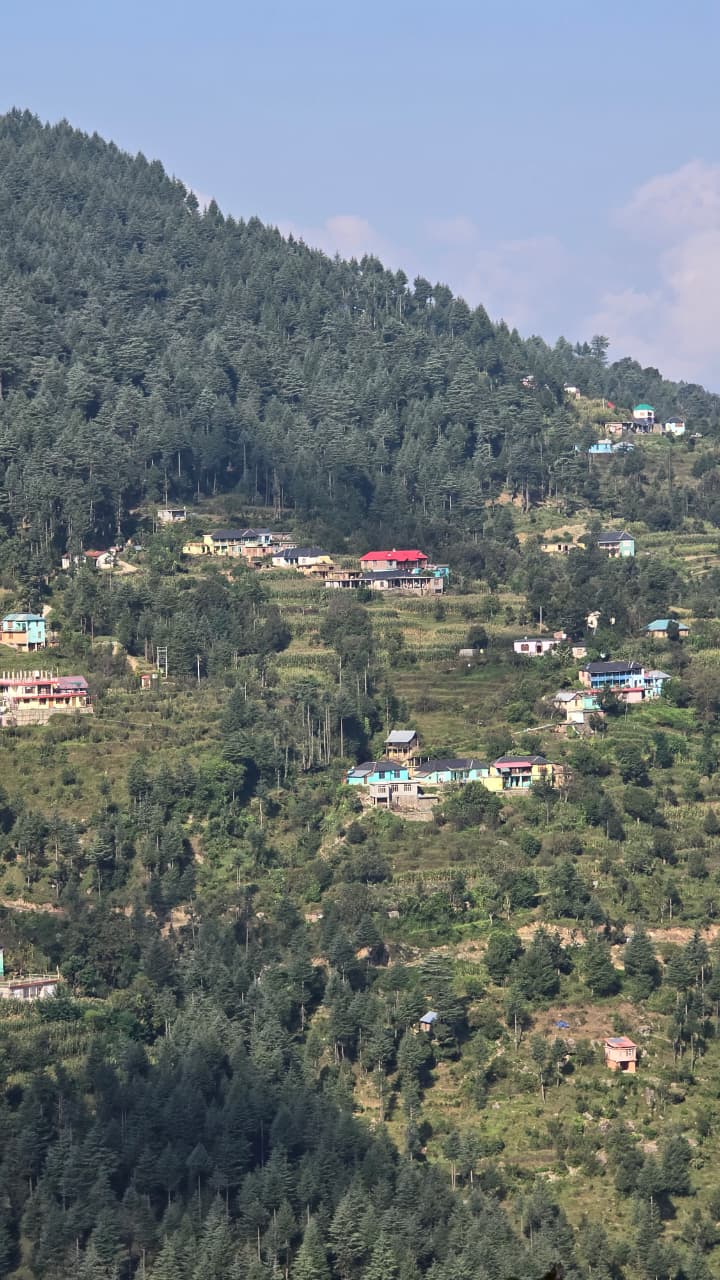
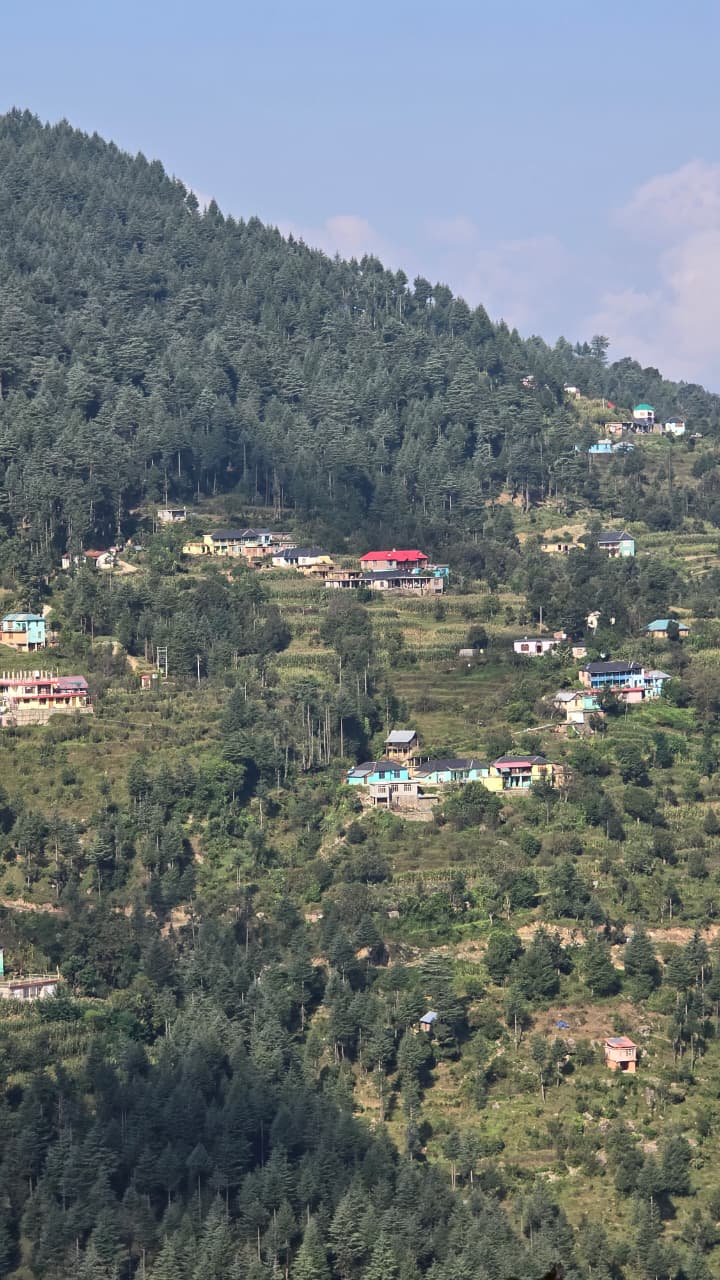
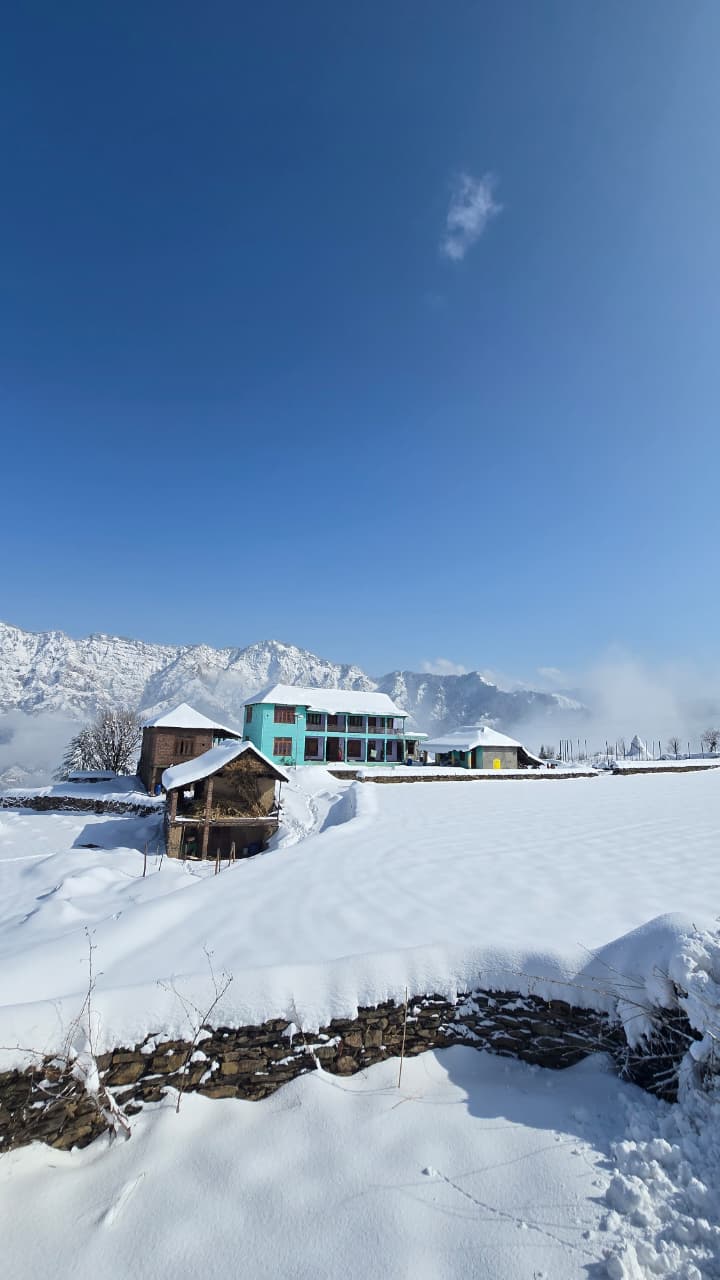
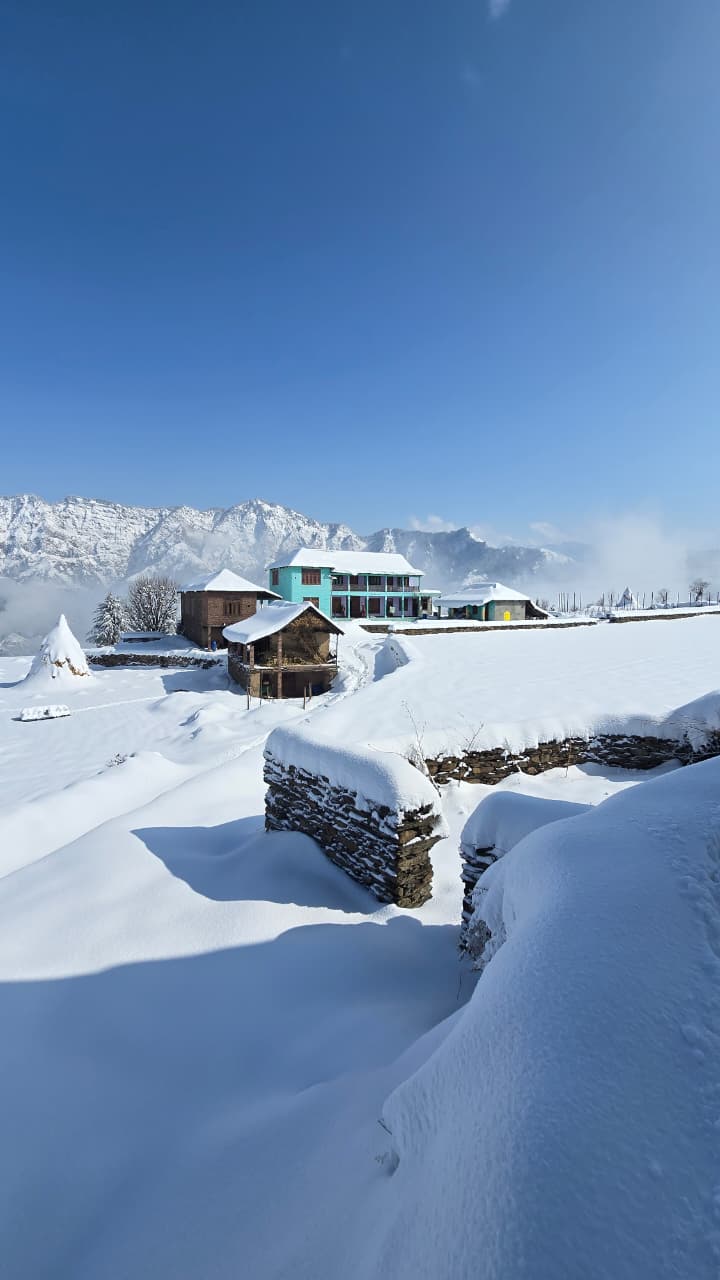
After surveying the valley, Borkha has been chosen as the model village for Mystic Villages: Dwat Mahadev. A small, tightly knit hamlet of seven or eight families set amongst orchards and the forest edge.
Homestays in Borkha host roughly three to four guests per unit, in the homes of resident families. Existing houses are being thoughtfully strengthened — gentle upgrades, considered training, dedicated curation — so the village can welcome a few discerning travellers without losing the quiet rhythm of its everyday life.
— A day in Borkha
Days that move
with the village.
- · Jungle trails through ancient reserve forest
- · Orchard walks — apple, kiwi, apricot, peach
- · Long, slow meals at the family hearth
- · Sandhi and Dwat Mahadev temple walks
- · Sikri Dhar visit — Parvati Mata at the ridge
- · Hill-view points across Pir Panjal & Dhauladhar
- · Chamera Lake dam panorama at golden hour
- · Conversations with Gaddi families on natural farming
— Signature experiences
Faith, farming
and forest trails.
- · Private Dwat Mahadev Temple visits
- · Curated village and forest trails
- · Heirloom orchard walks
- · Hands-on natural farming sessions
- · Slow, seasonal Pahari dining
- · Quiet community interactions
- · Cultural storytelling at dusk
- · Scenic Himalayan viewpoints
- · Seasonal harvest immersions
— Stay with the community
Stay with
local families.
Community-led homestays in Borkha and neighbouring hamlets offer a private, considered way to experience village life — slow Pahari food at the hearth, mornings in the orchard, evenings in the courtyard. Boutique in scale, generous in warmth, and built on the trust of the families who host you.
— Postcards from the valley
The valley,
as we found it.